Day 1
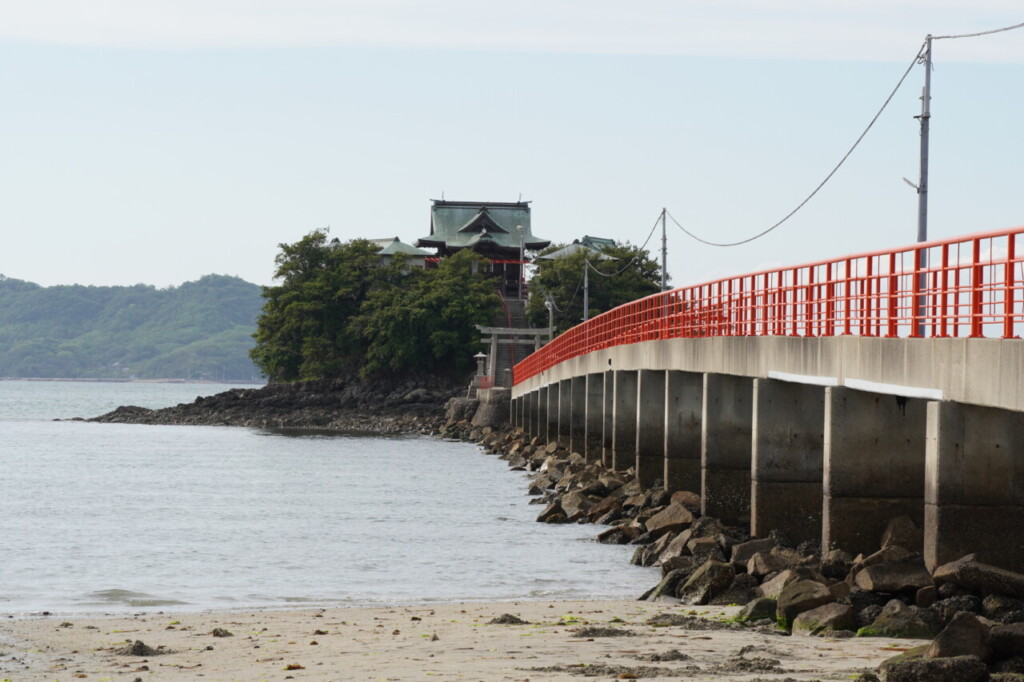
We arrive in Marugame after an easy trip. We visit the small MIMOCA museum, which features a few lovely paintings and a temporary exhibition about the mural Freedom that decorates Ueno Station in Tokyo. The whole restoration process of the mural is detailed here. We have a late lunch, then pick up a rental car. We head west toward Chichibugahama Beach. On the way, we spot the Tsushima Shrine below the road and decide to stop. The shrine is closed, but the setting is charming—and pleasantly quiet.
Chichibugahama Beach turns out to be a fairly well-known photo spot. With the tides, the water recedes and gets trapped in small pools, forming near-perfect mirrors. There are plenty of walkers and photographers around. As for the sky, we get lucky: the day’s gray clouds fade away, leaving just a few to decorate the scene.
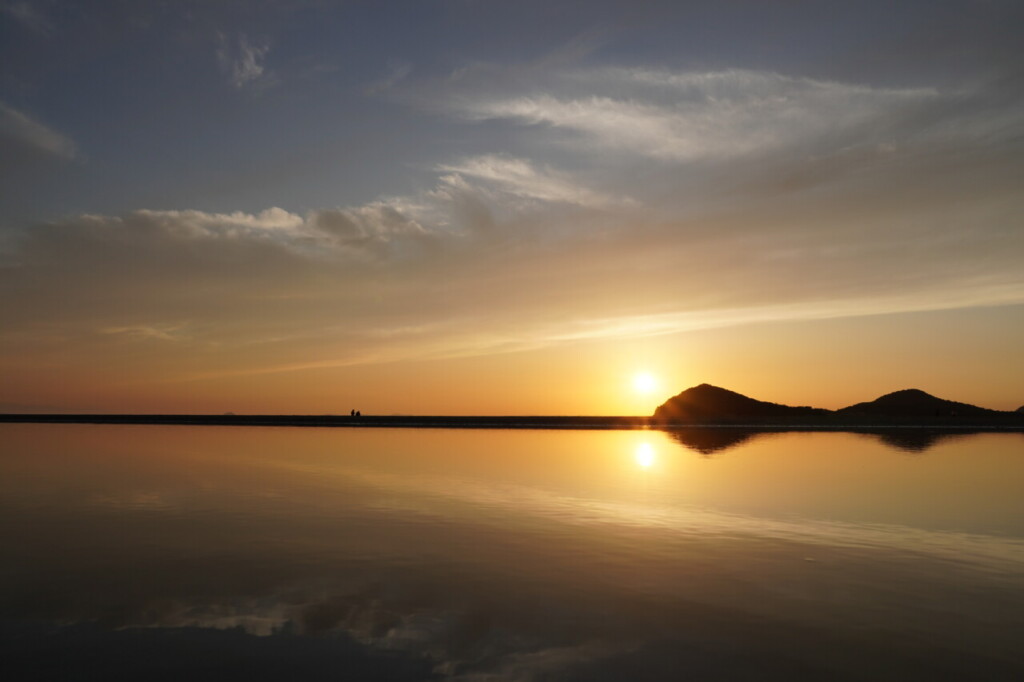
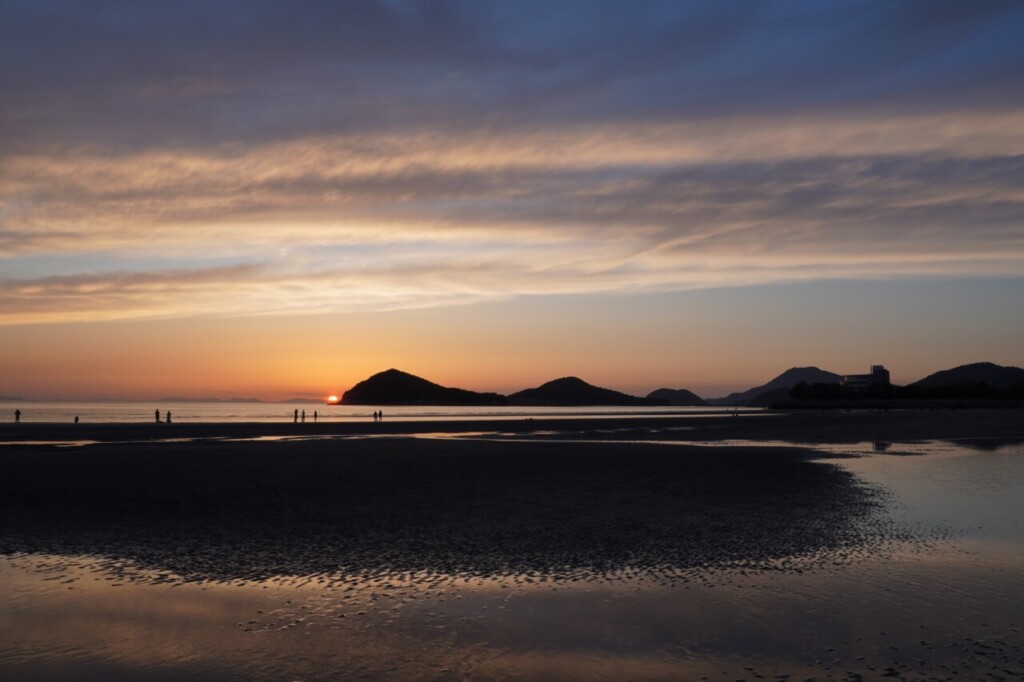
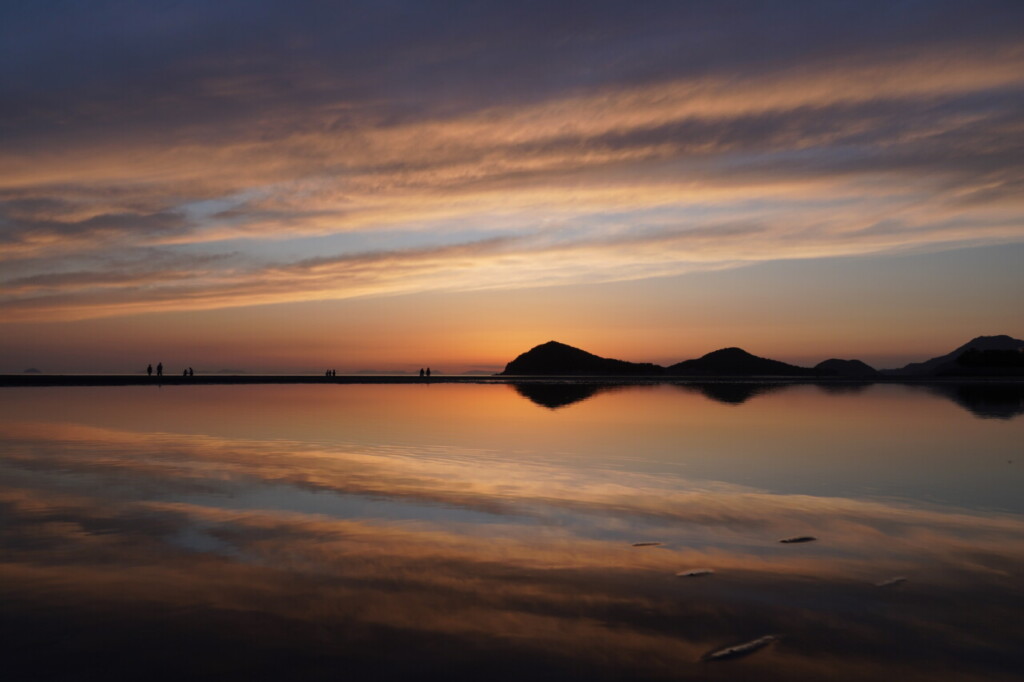
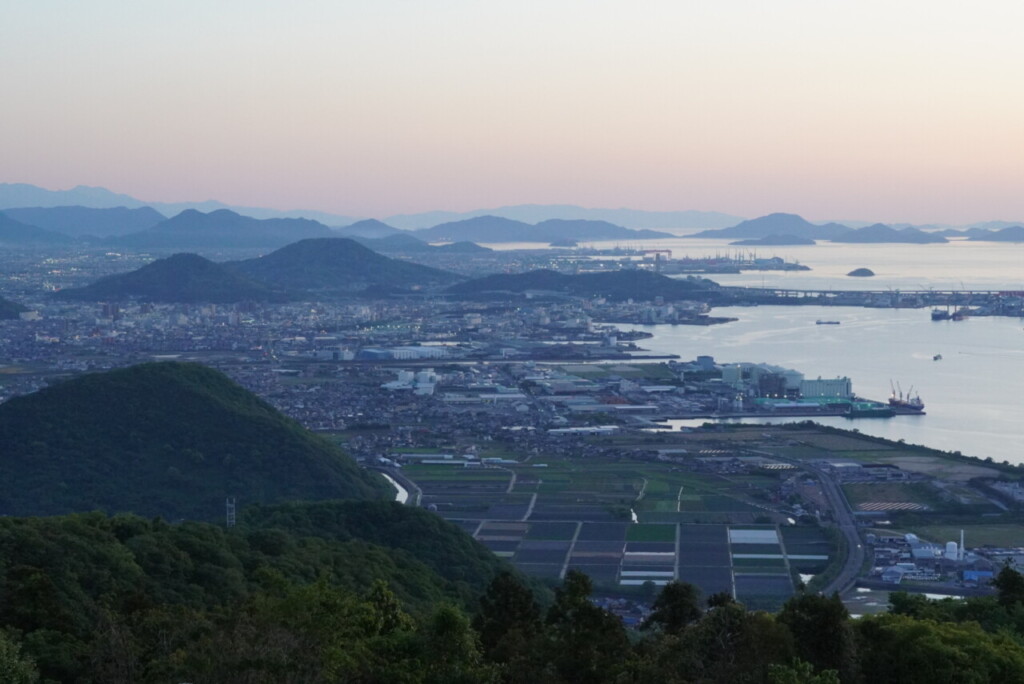
Shortly after sunset, we get back in the car and drive to the hotel. The journey takes longer than expected, so we miss dinner there. No problem, we find a ramen place along the way. The hotel sits high above Sakaide, and we arrive at night after a winding stretch of road.
Day 2
We start by visiting Negoro temple, number 82 on the Shikoku pilgrimage route. We even come across a few pilgrims wearing traditional attire (white jackets, conical hats, and so on). The surroundings are lush and the atmosphere very peaceful.
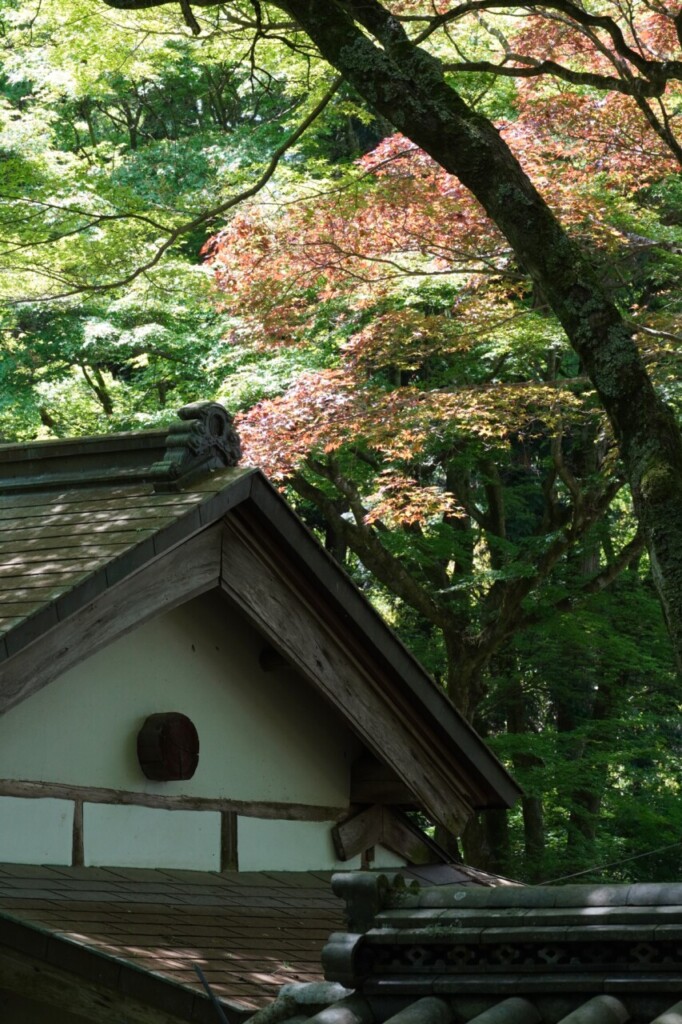
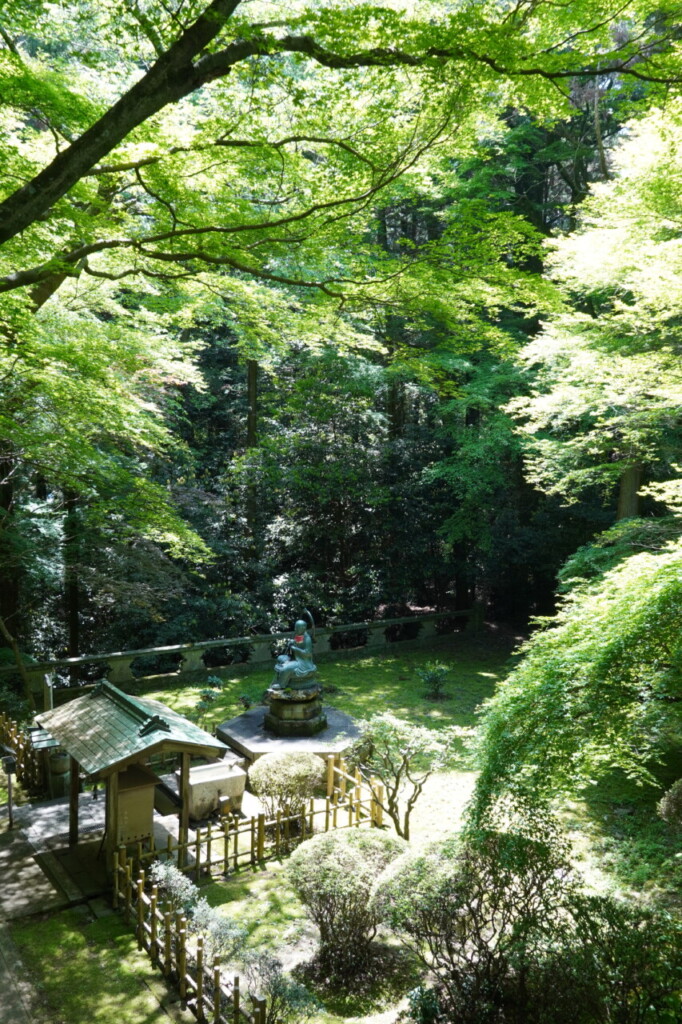
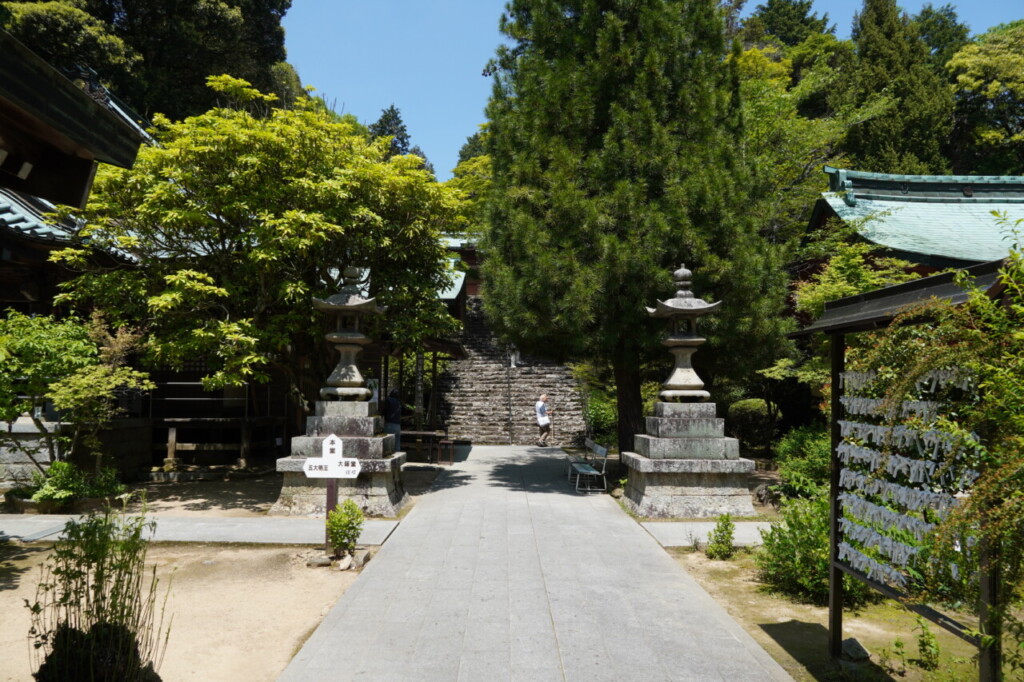
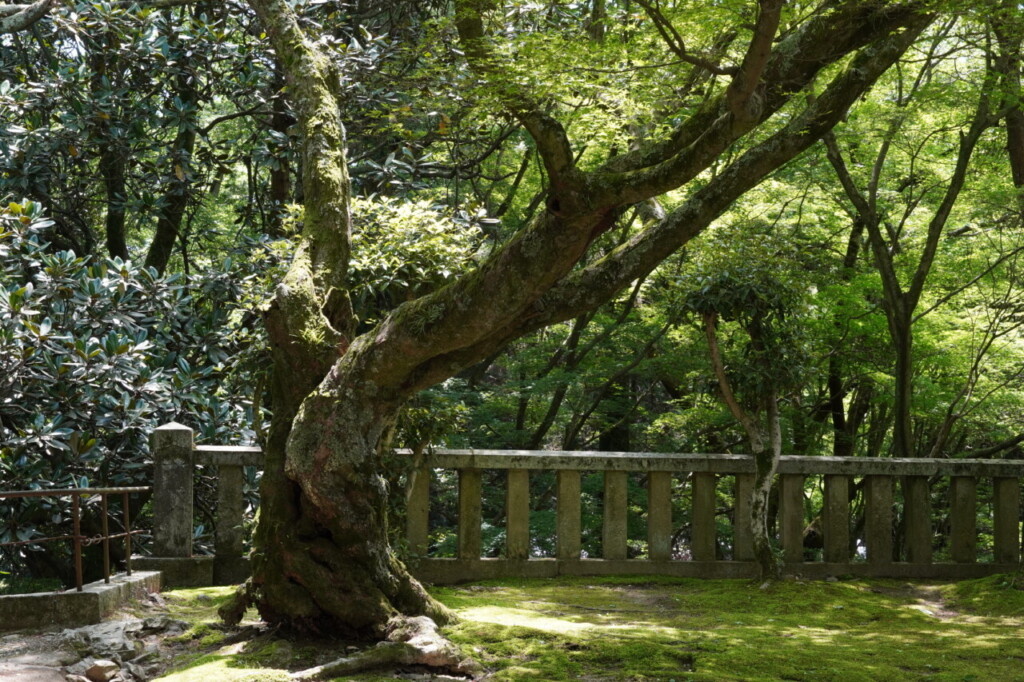
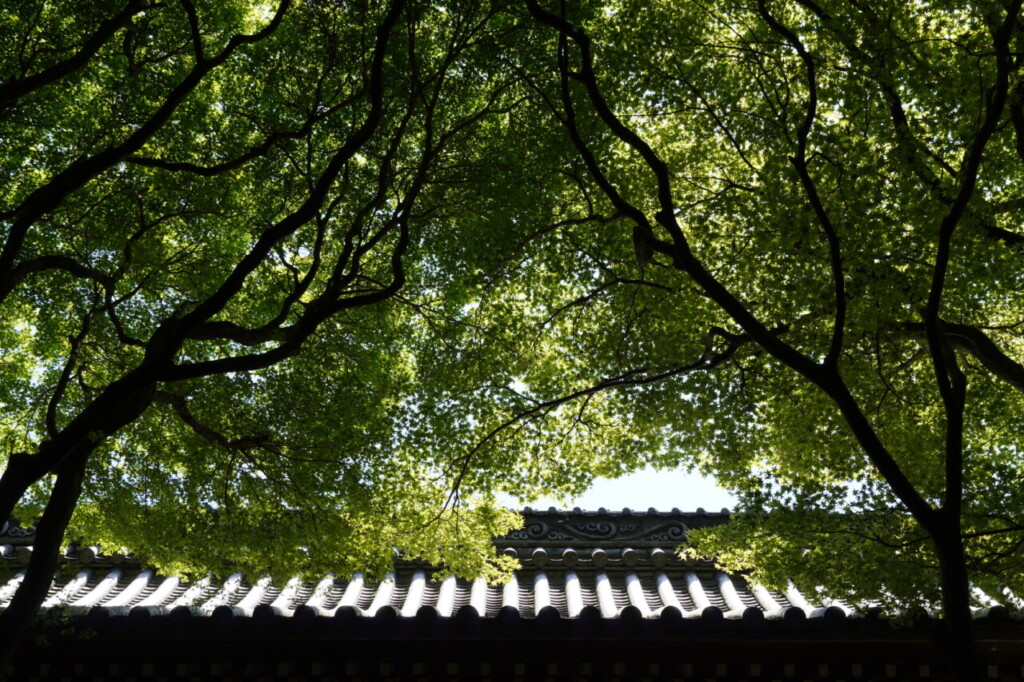
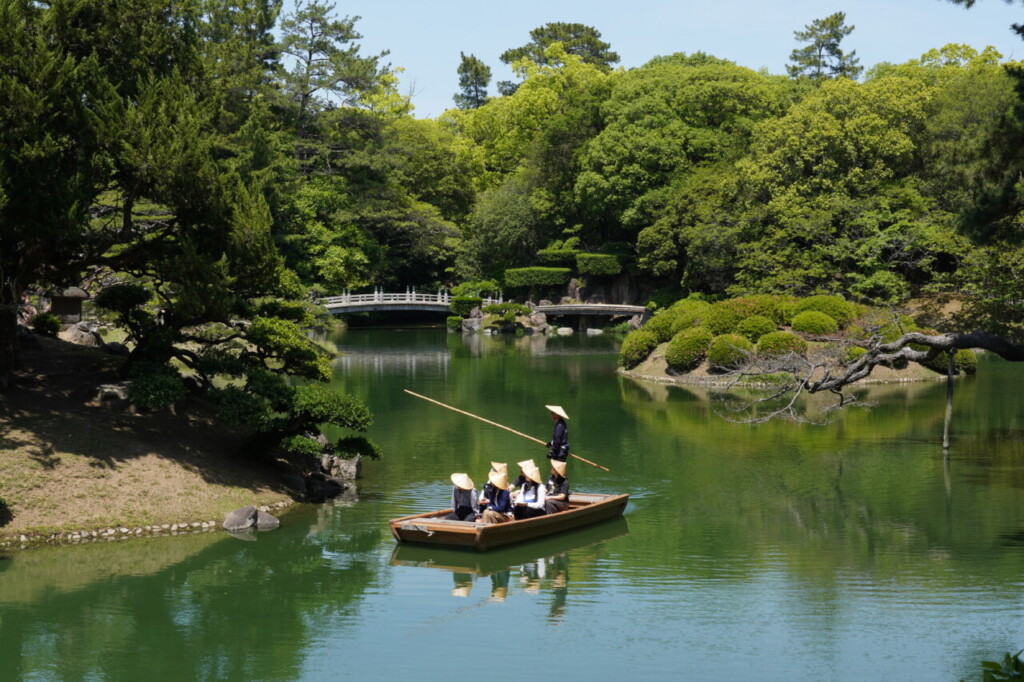
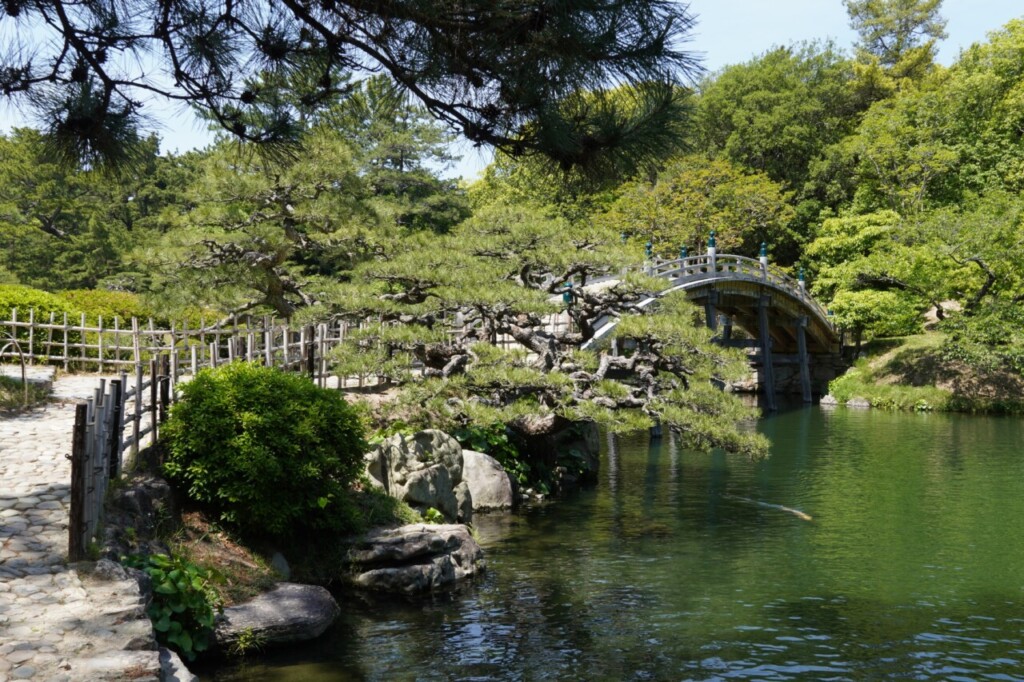
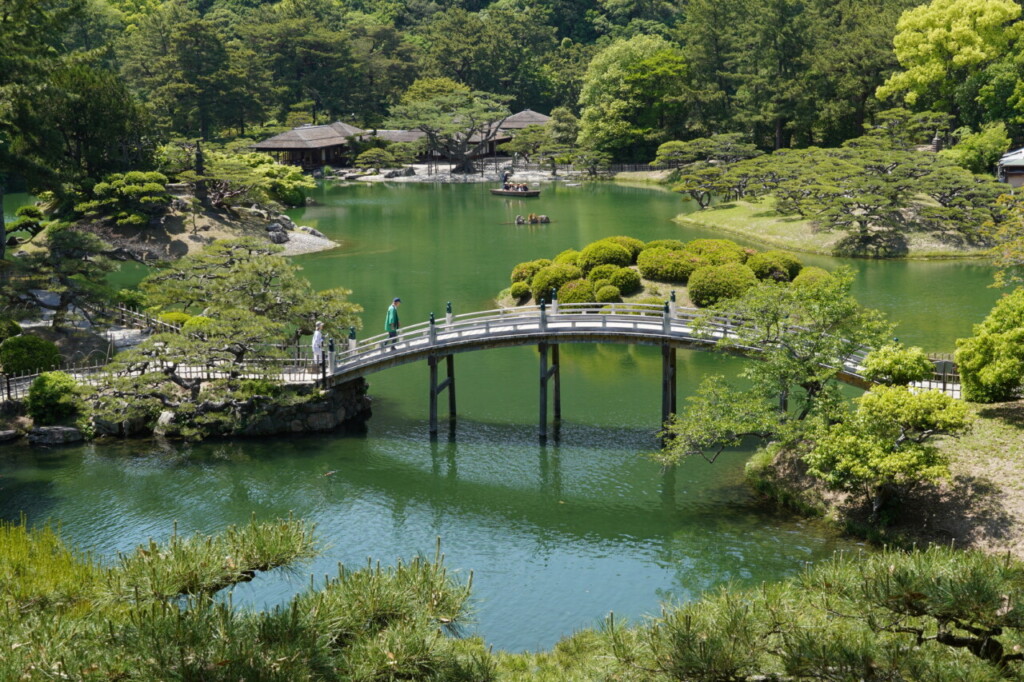
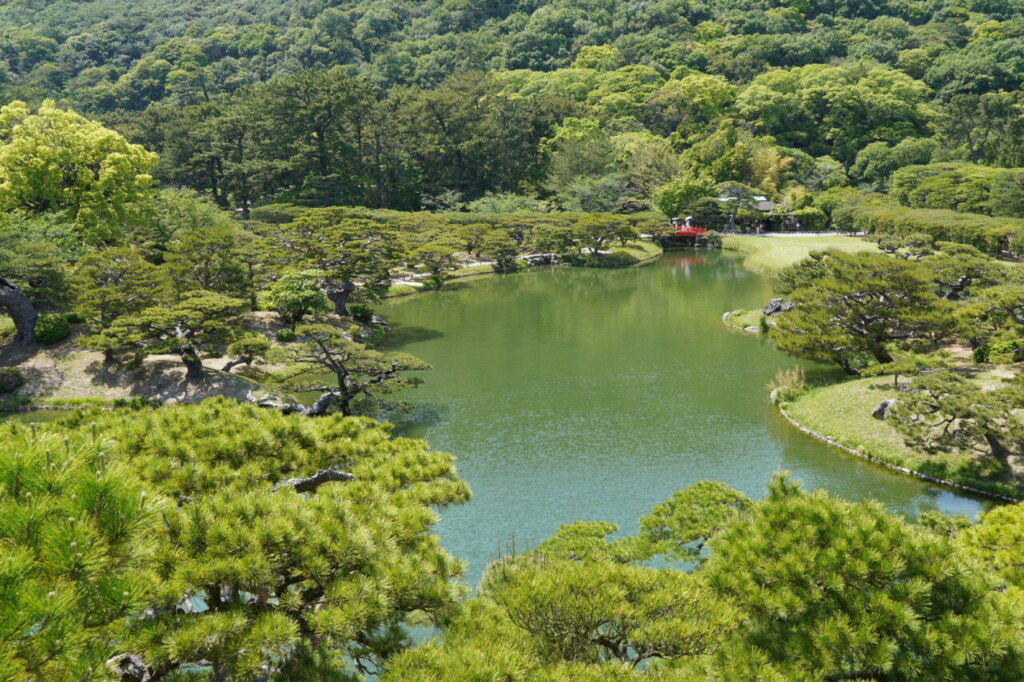
We then head down to Takamatsu to visit the beautiful Ritsurin Garden. It’s quite large, organized around several ponds and canals. It’s getting warm, so the shaded sections are especially welcome. Near the garden, we have handmade udon—this is the local specialty, and the small restaurant is still packed even after 3 pm.
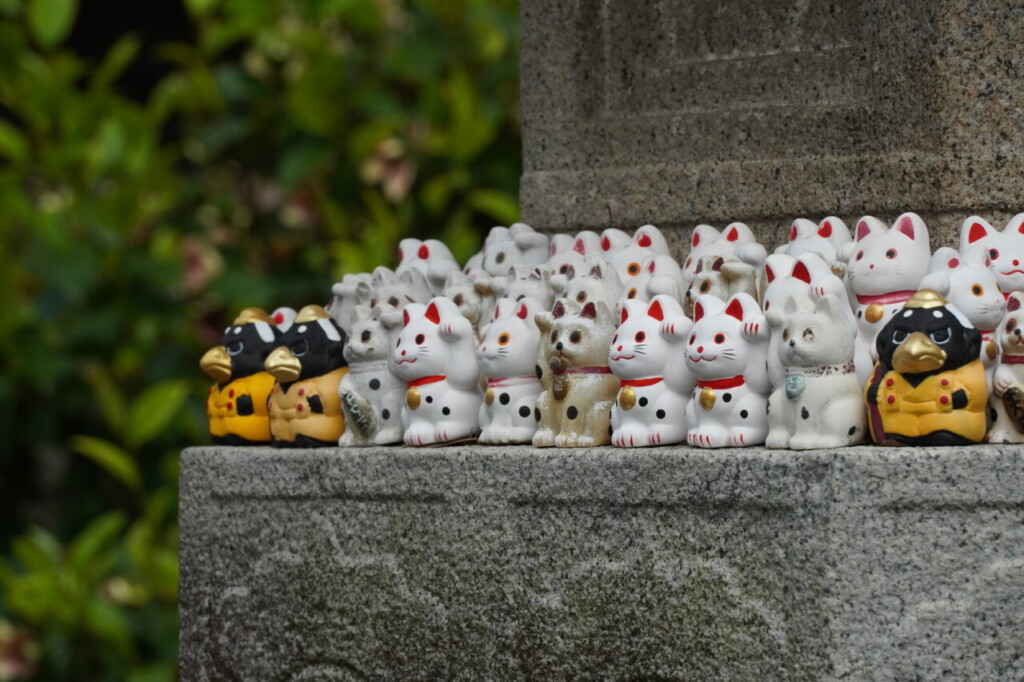
On the way back, we stop at Shiromine temple, number 81. A few pilgrims here as well, along with a small pavilion for each animal of the Chinese zodiac.
Day 3
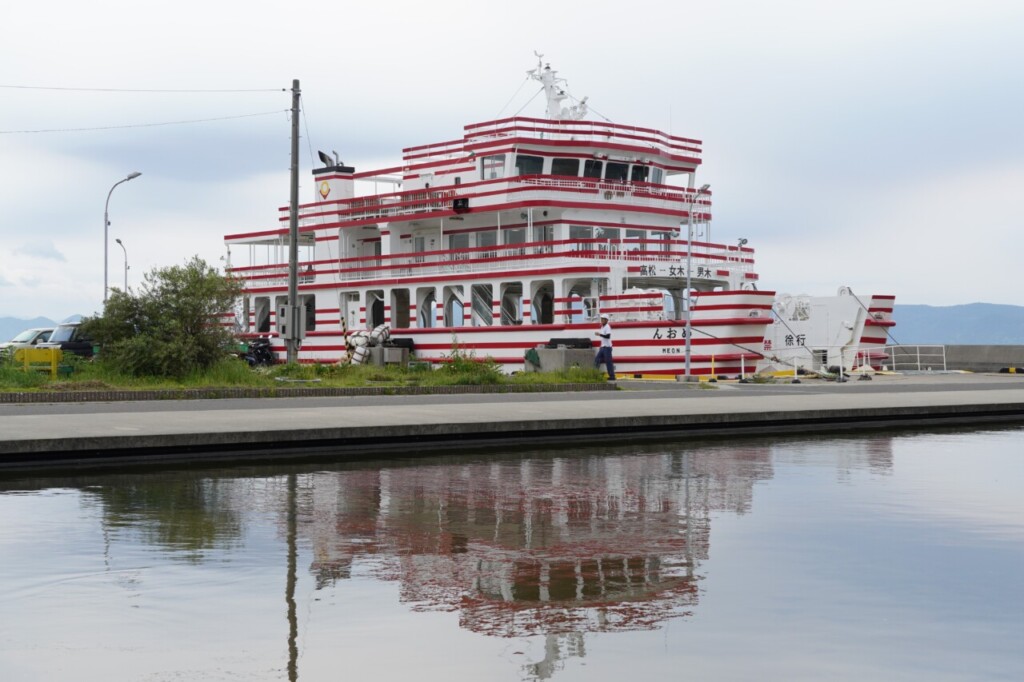
We return to Takamatsu, this time parking near the port. We had planned to take a boat to Naoshima, but the company’s ticket office is closed—no service today. So we switch to Ogijima, a smaller island that we should still have time to explore despite the change of plans. While waiting for departure, we take a snack break at a nearby café.
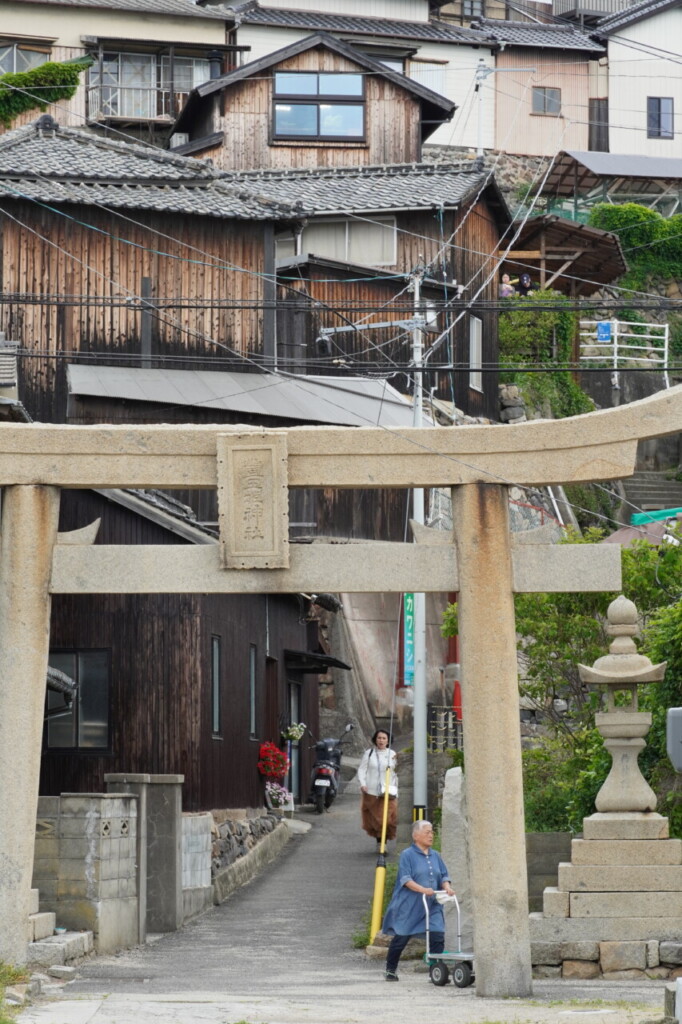
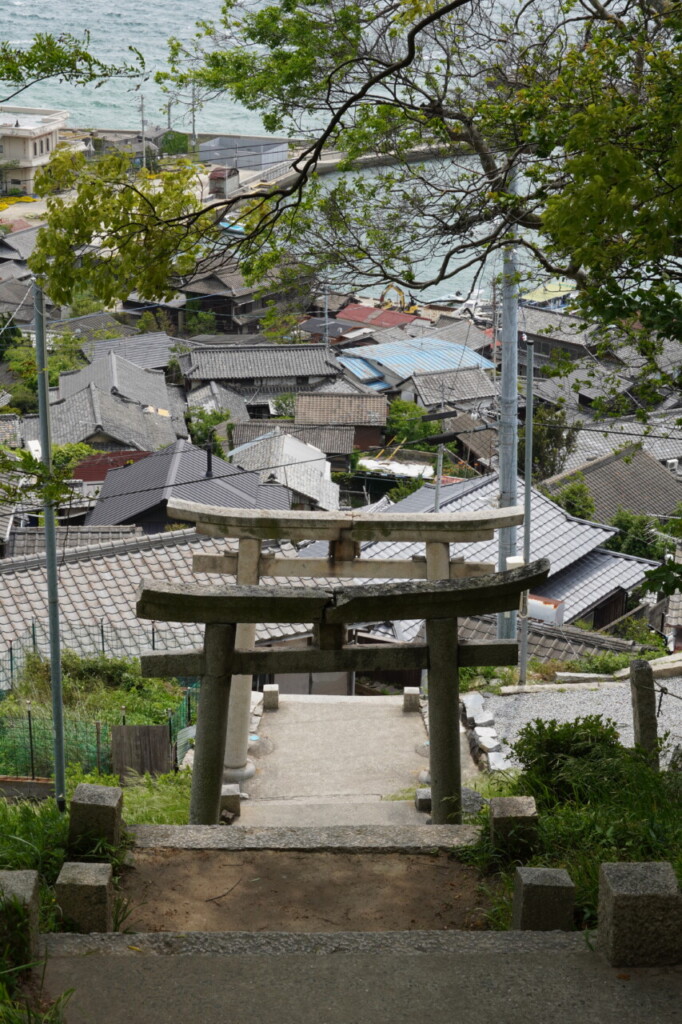
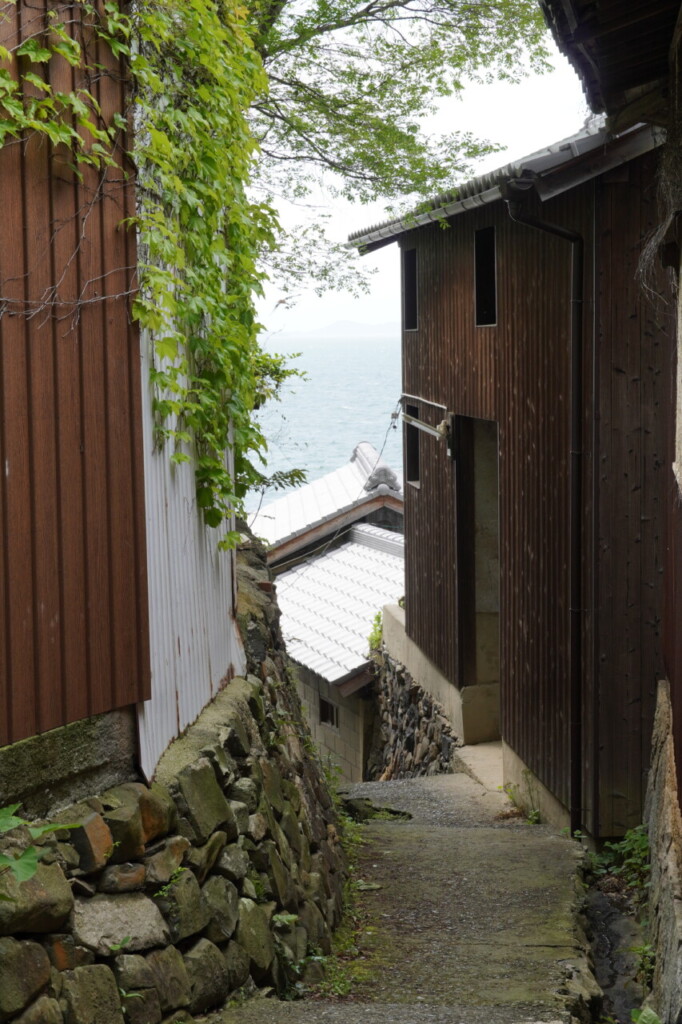
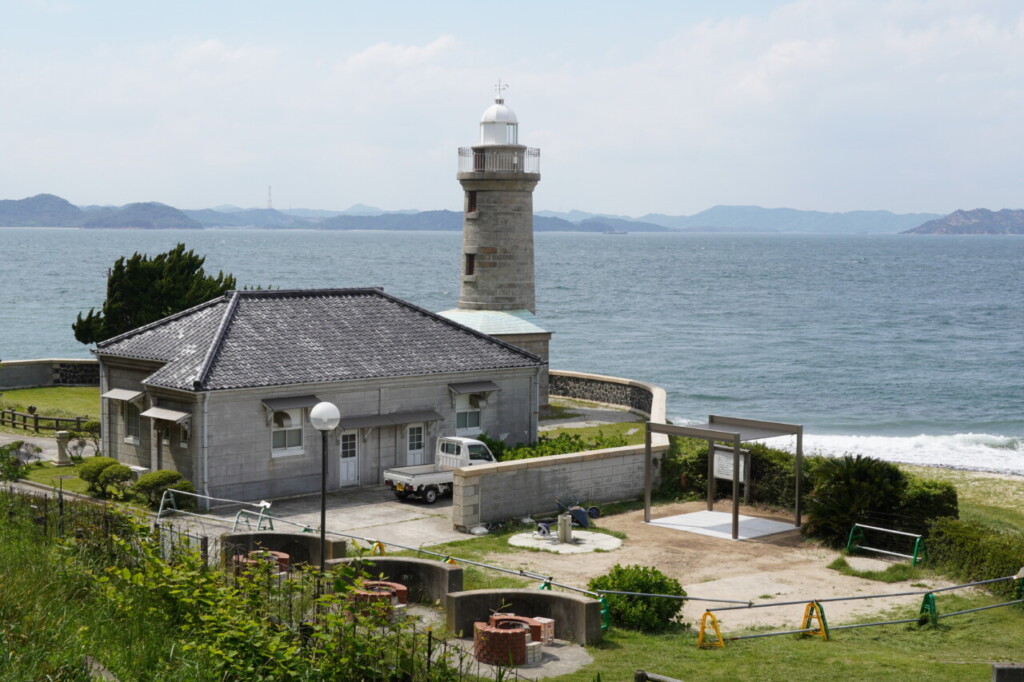
The small village on Ogijima is picturesque, with its narrow streets climbing up a hillside, the sea always visible between the houses. We pass by Toyotama-hime Shrine, then walk to the lighthouse at the island’s northern tip. One last wander through the maze of streets, and we board the boat back.
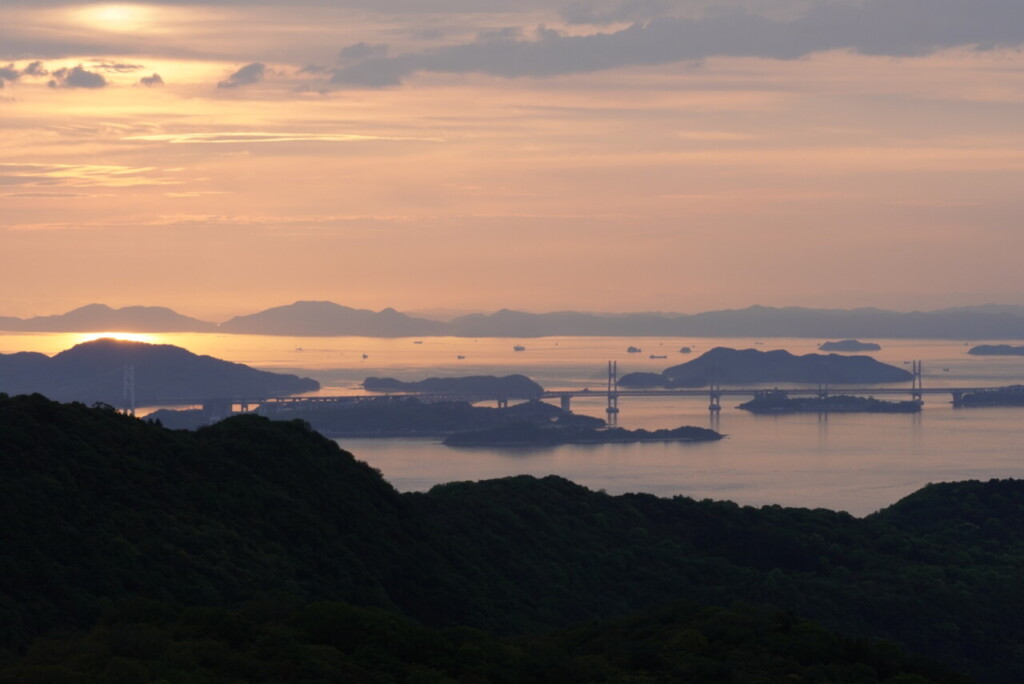
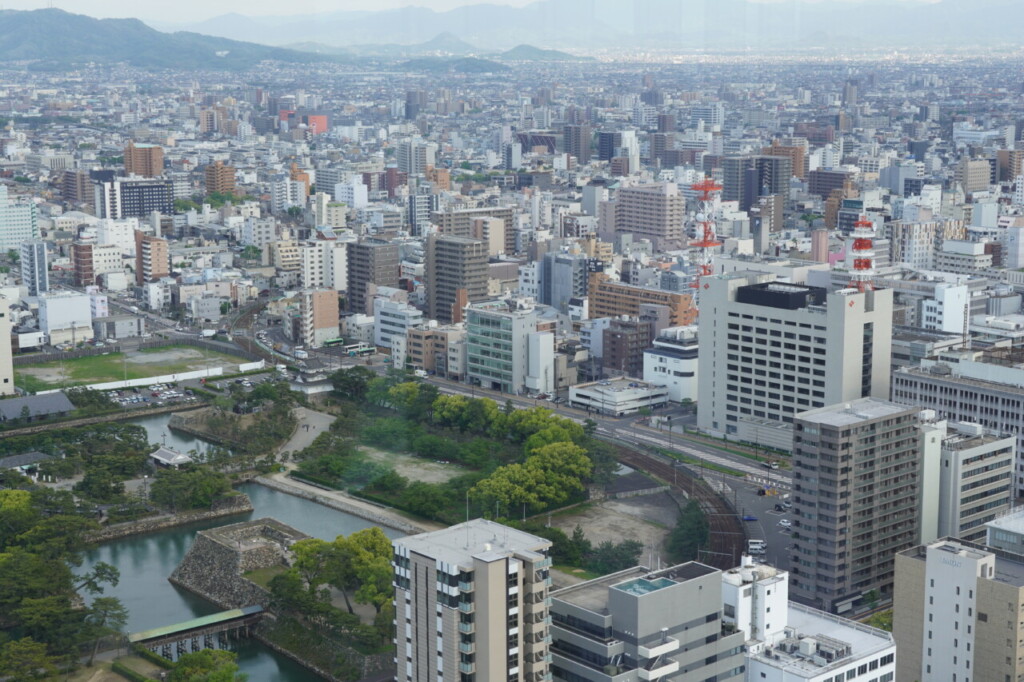
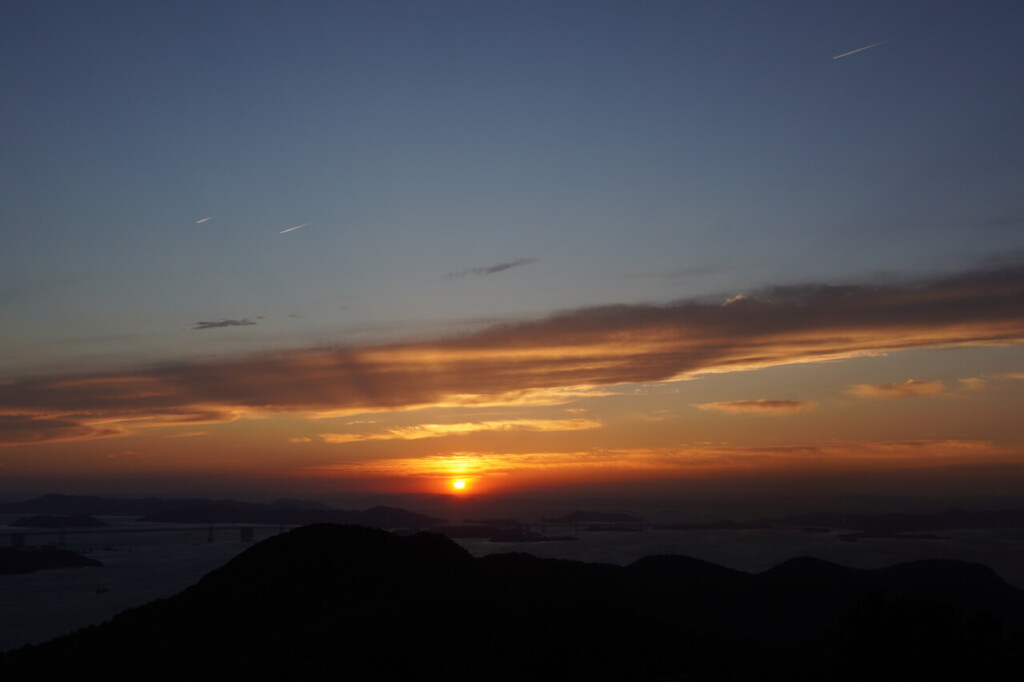
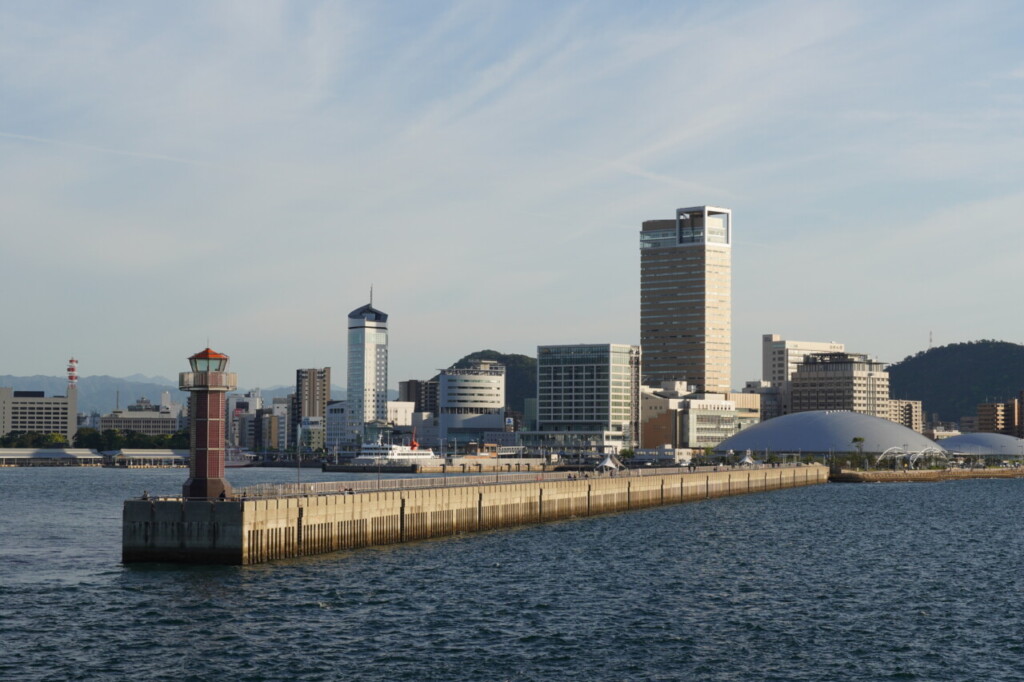
With some time to spare, we take the elevator in the Symbol Tower up to the 29th-floor observation deck—great views over the port and the city. We leave Takamatsu and catch the sunset from the Matakimai sculpture viewpoint overlooking the bay to the West.
Day 4
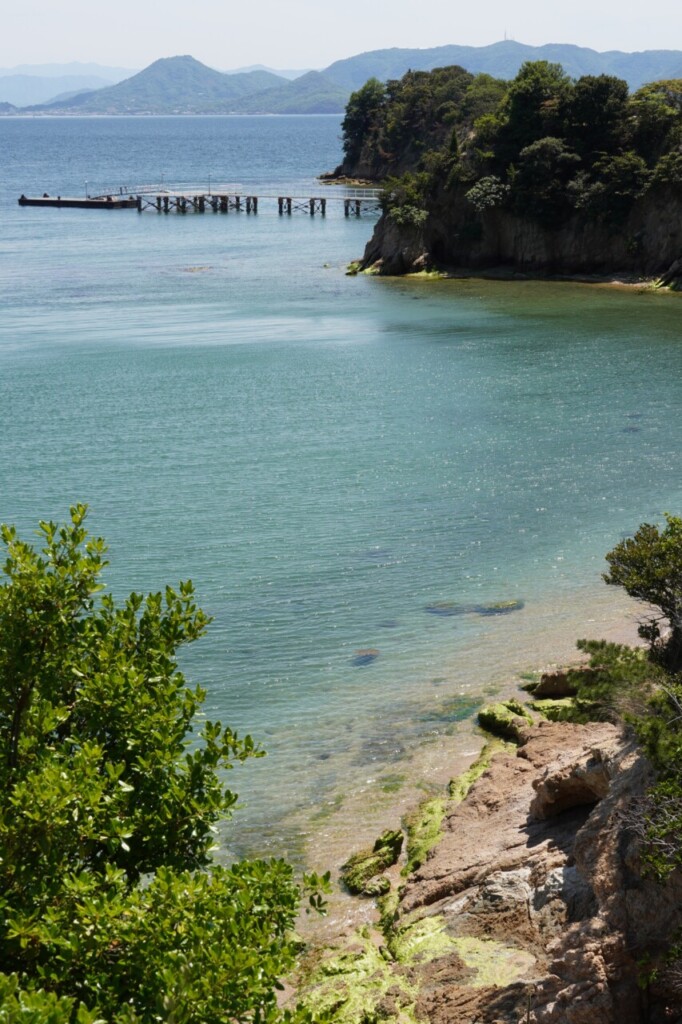
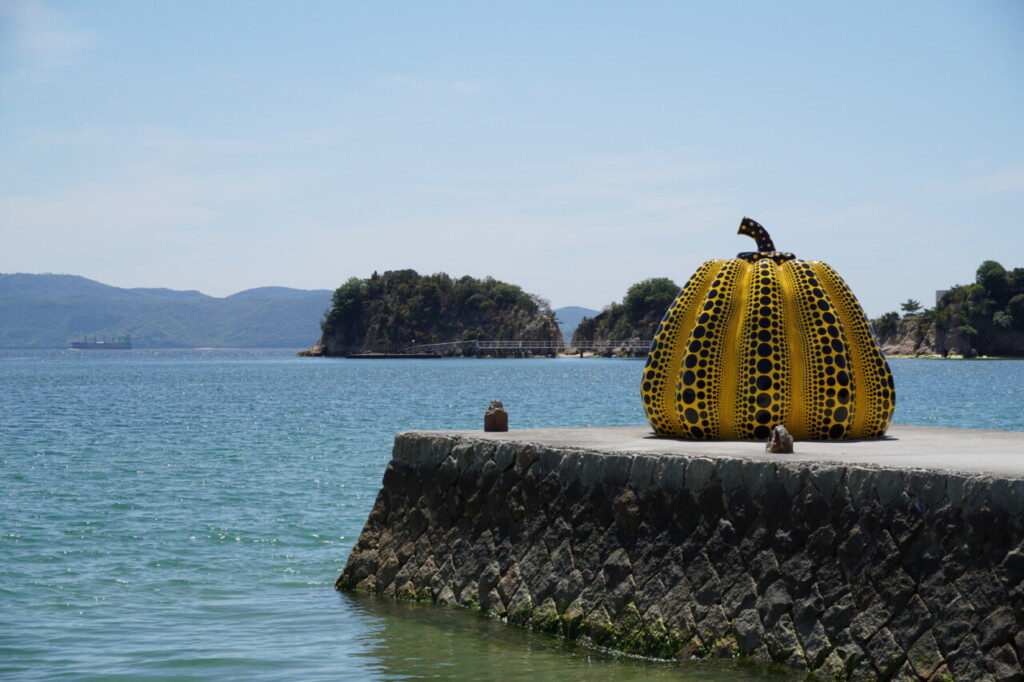
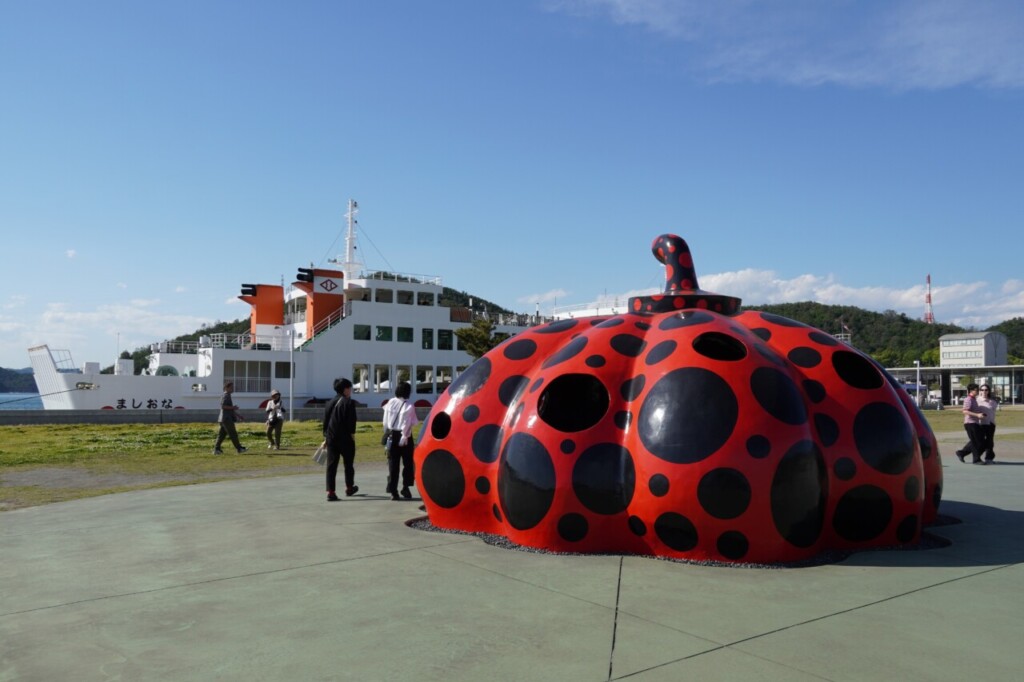
We head back to Takamatsu Port and board a boat for Naoshima. We arrive at Honmura Port on the island’s east coast. We stroll through the quiet streets and visit a few unusual spots. Naoshima is all about art, with many artists exhibiting here. There are also several museums in a large pedestrian area in the south of the island. That’s where we find the famous yellow pumpkin set on a pier—we spot it shortly after getting off the bus.
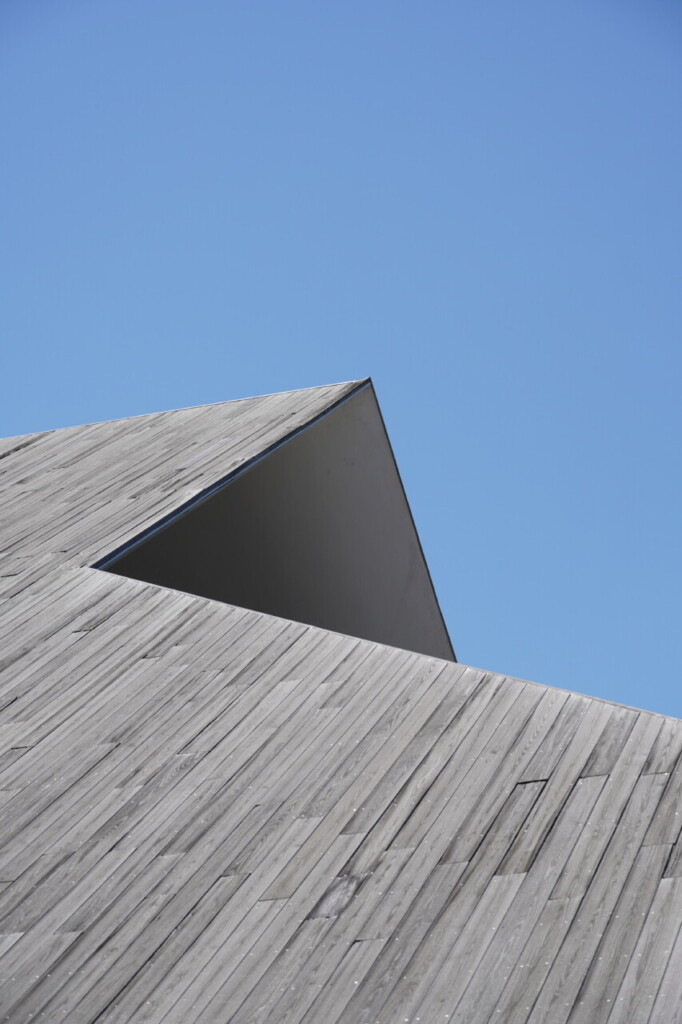
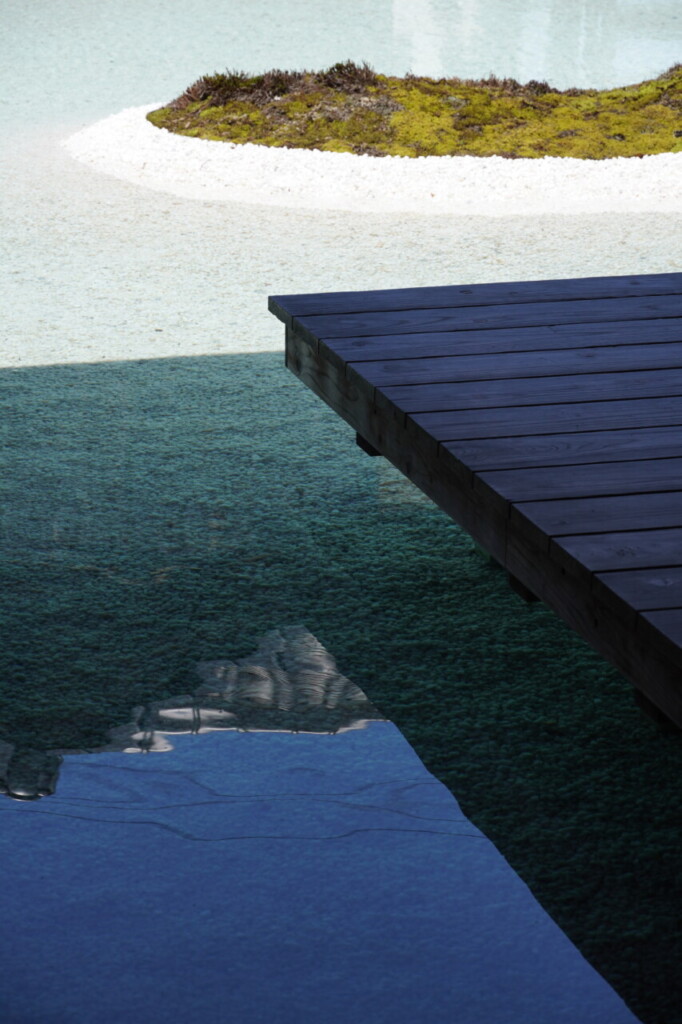
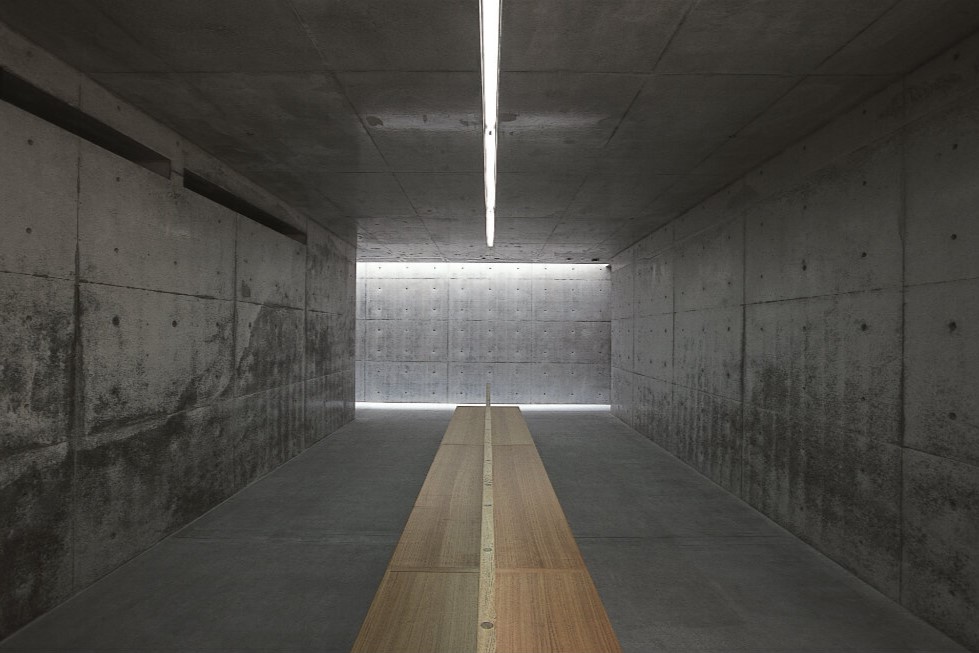
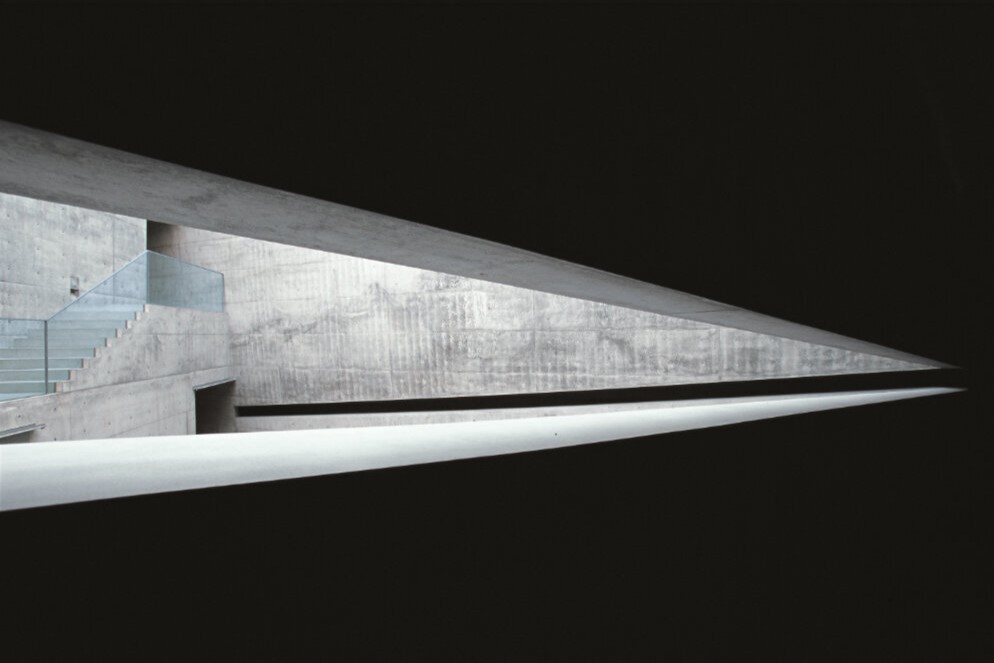
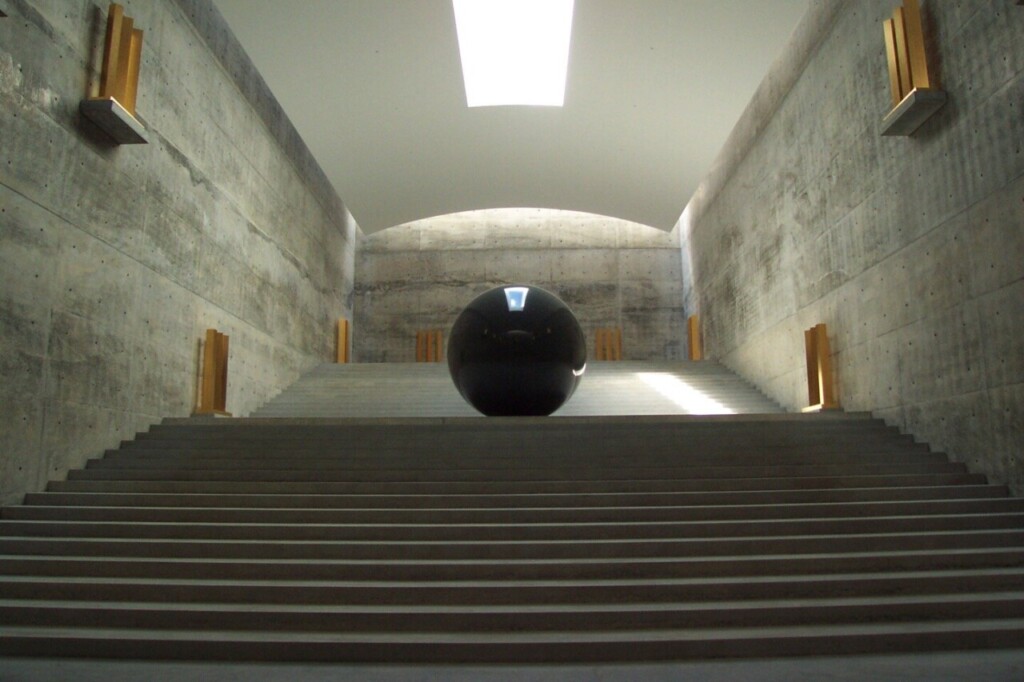
We walk along the coast and visit the Chichu Art Museum. It’s not the most welcoming place: expensive admission, no photos allowed, no access to the café before the allotted time, and a wait at the gate for ticket checks. Inside, there are a handful of Monet paintings and two installations by lesser-known artists, but the real highlight is the building itself. It feels like stepping into a sci-fi world: clean lines, raw materials (concrete, glass, and some wood), and openings in the ceiling letting in natural light. Even the staff, all dressed in white, add to the impression of some weird experiment—slightly over the top.
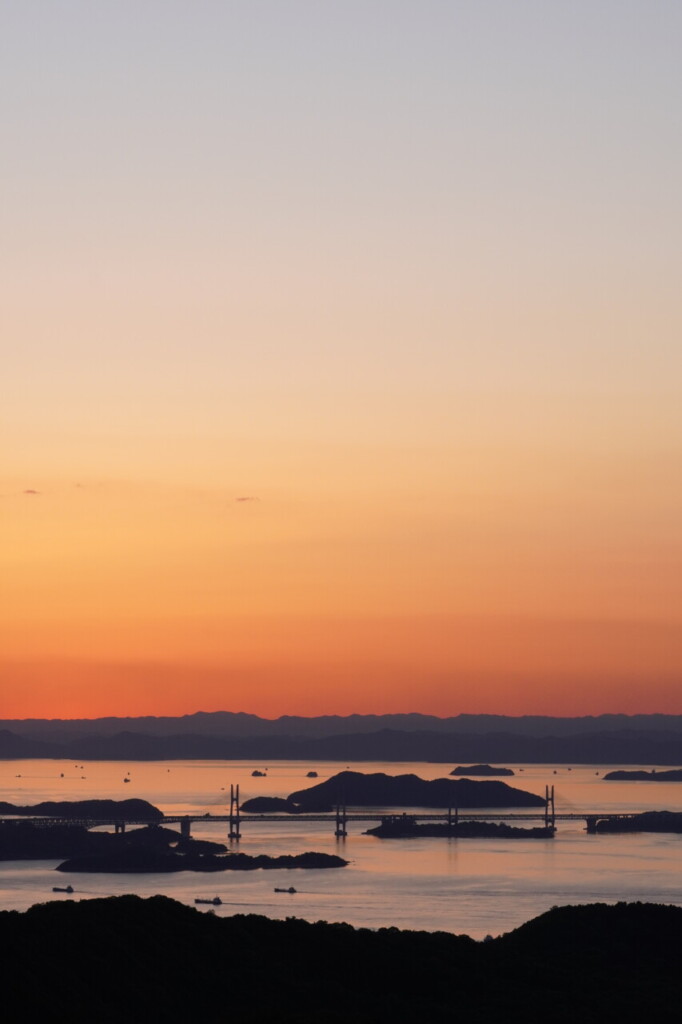
After that, we walk to Miyanoura Port on the island’s west side to see the second pumpkin. We take the ferry back an hour later and watch the sunset from the hotel.
Day 5
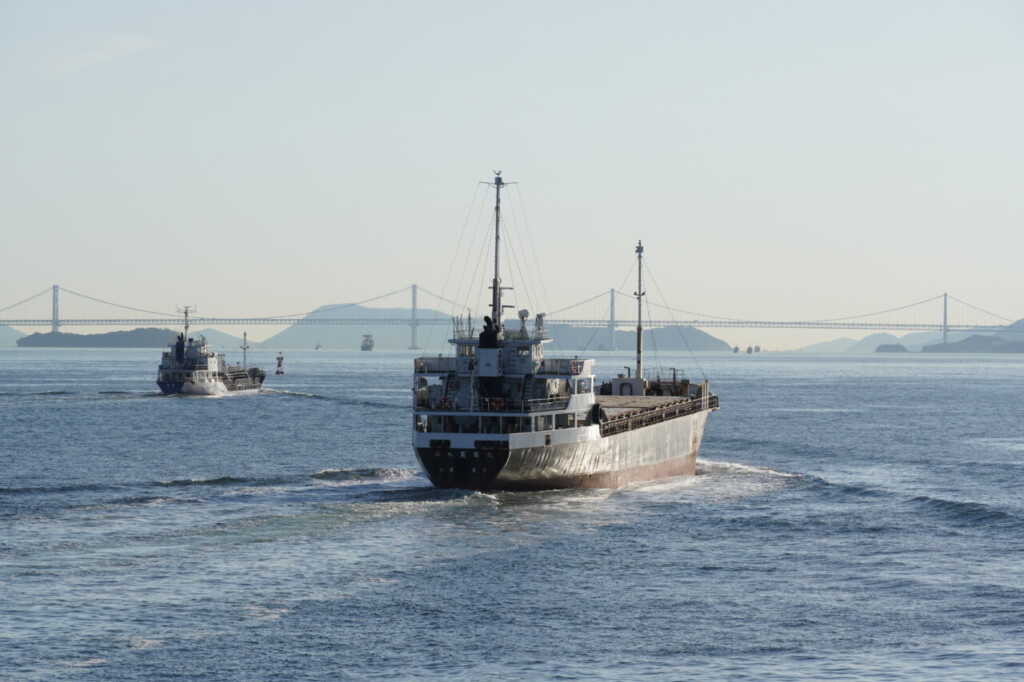
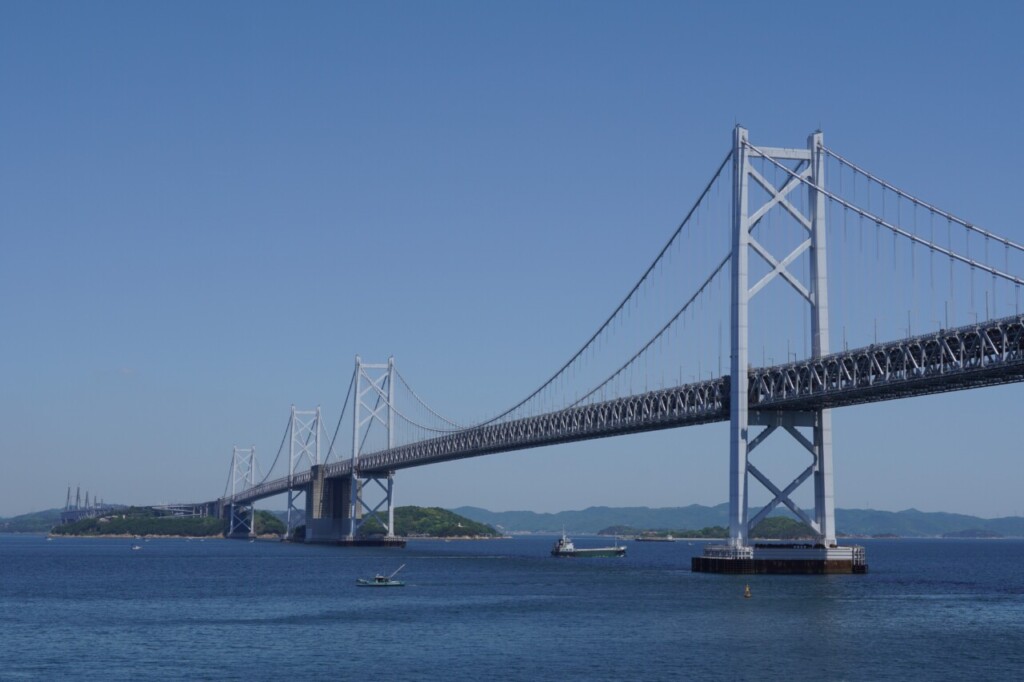
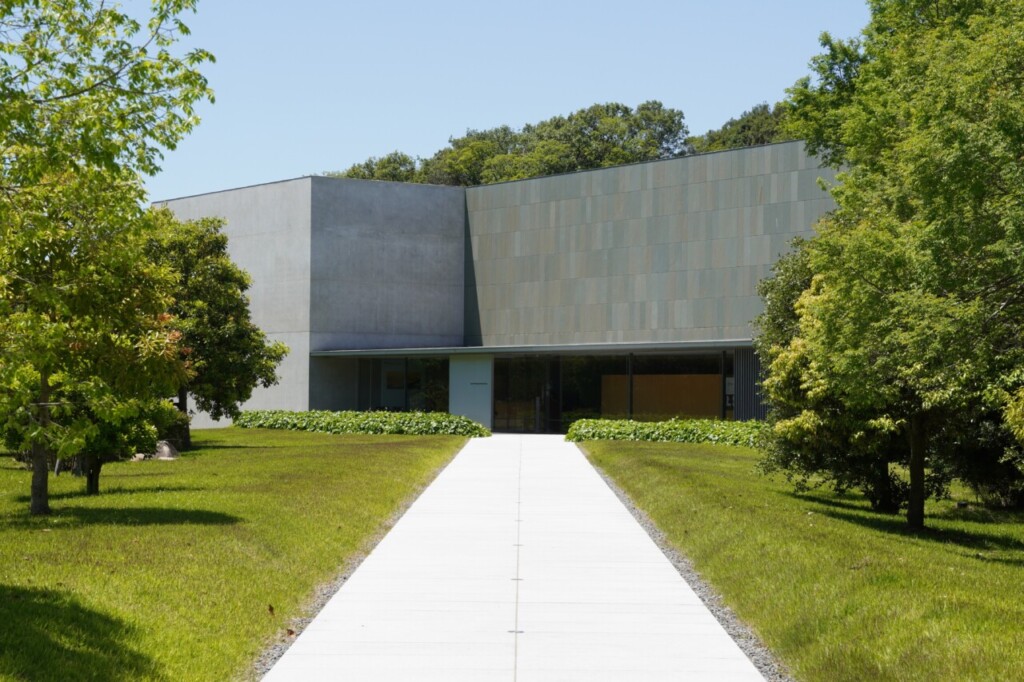
We start with a visit to the Higashiyama Kaii Setouchi Art Museum. The building was designed by the same architect as MIMOCA (and the Kyoto National Museum, for that matter), which nicely brings things full circle. From the surrounding park, we get another angle on the Minami Bisan-Seto Bridge.
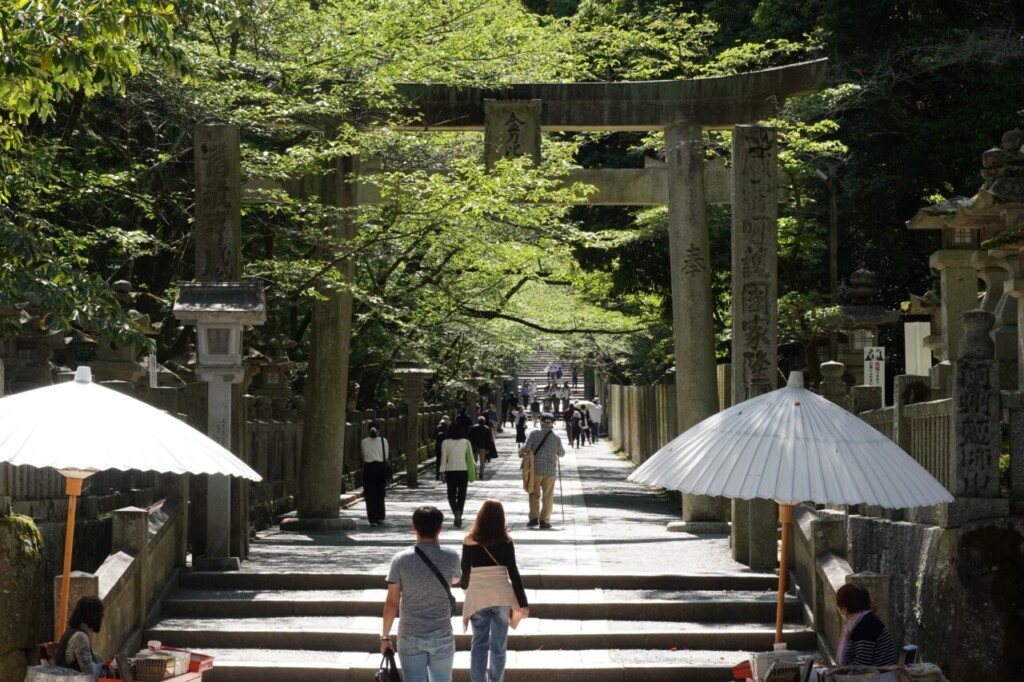
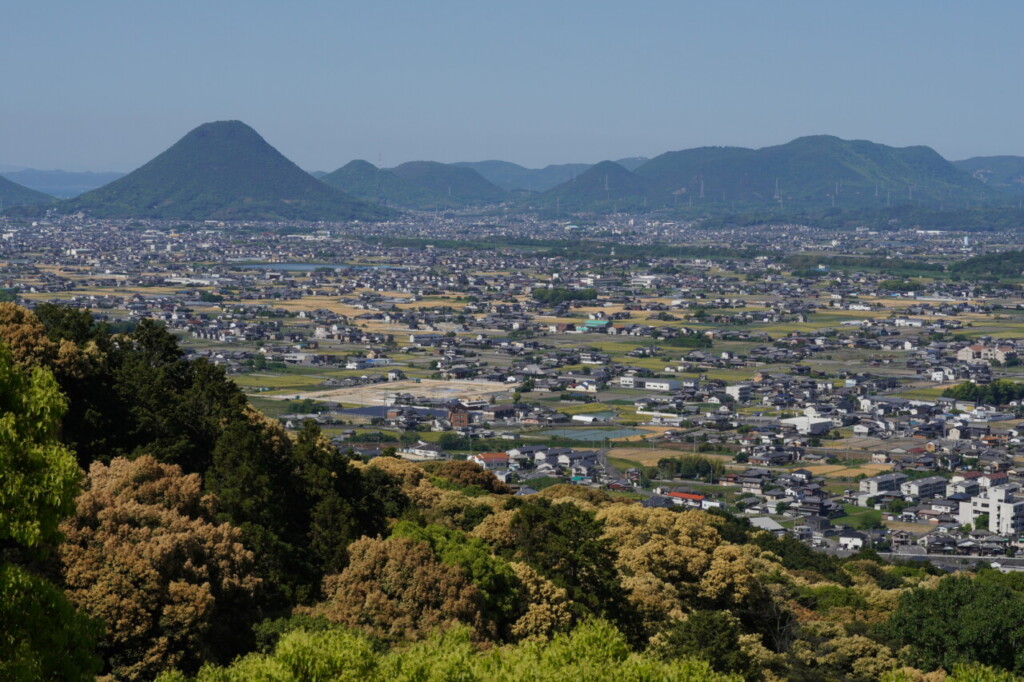
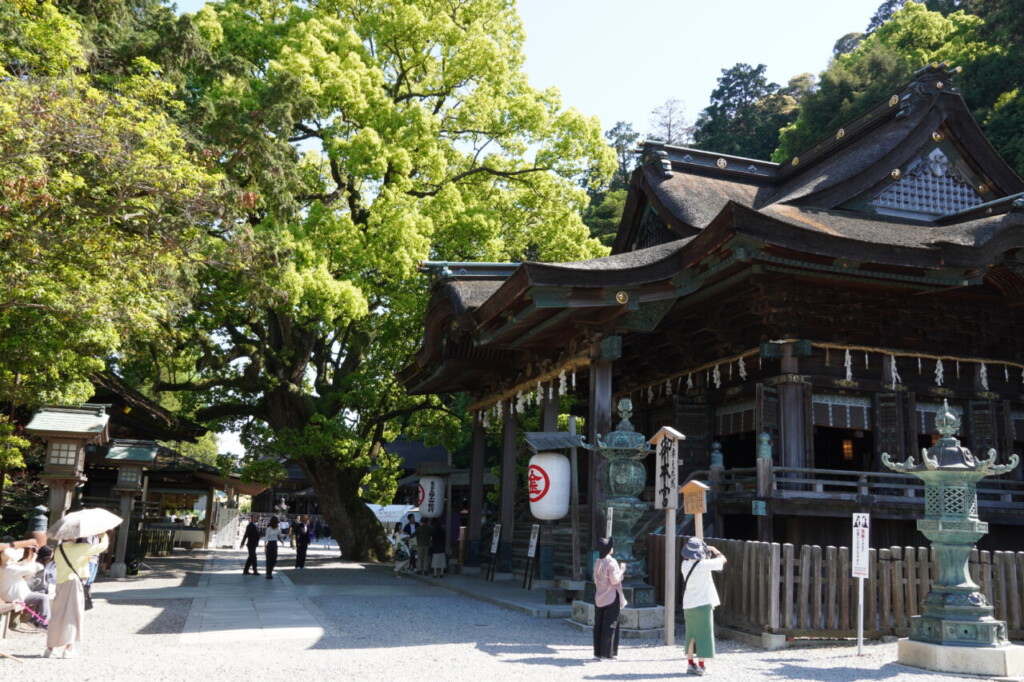
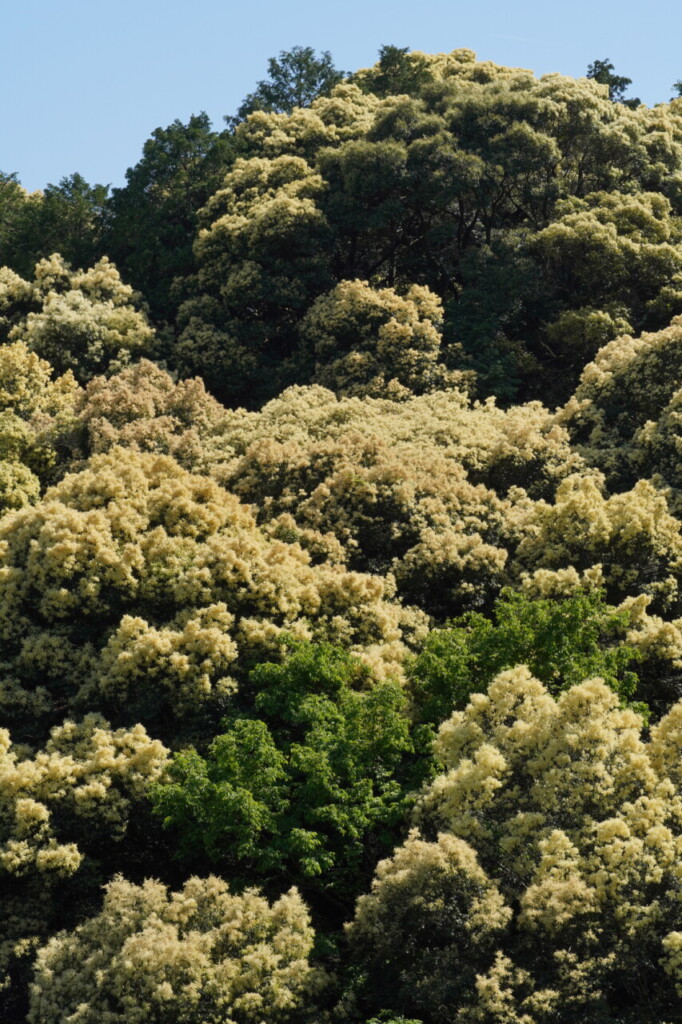
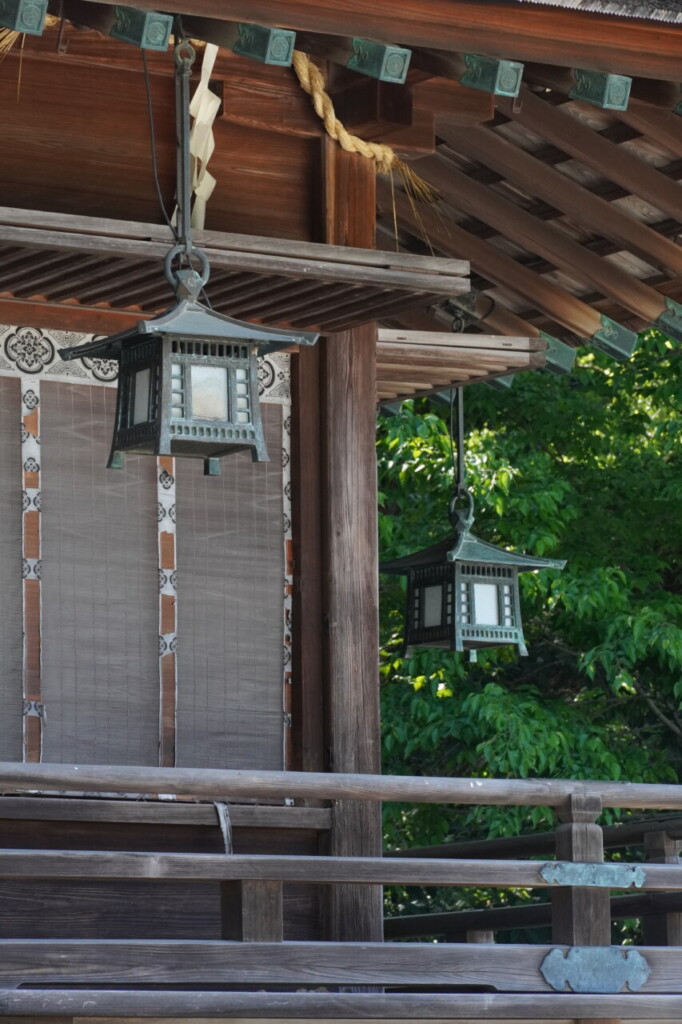
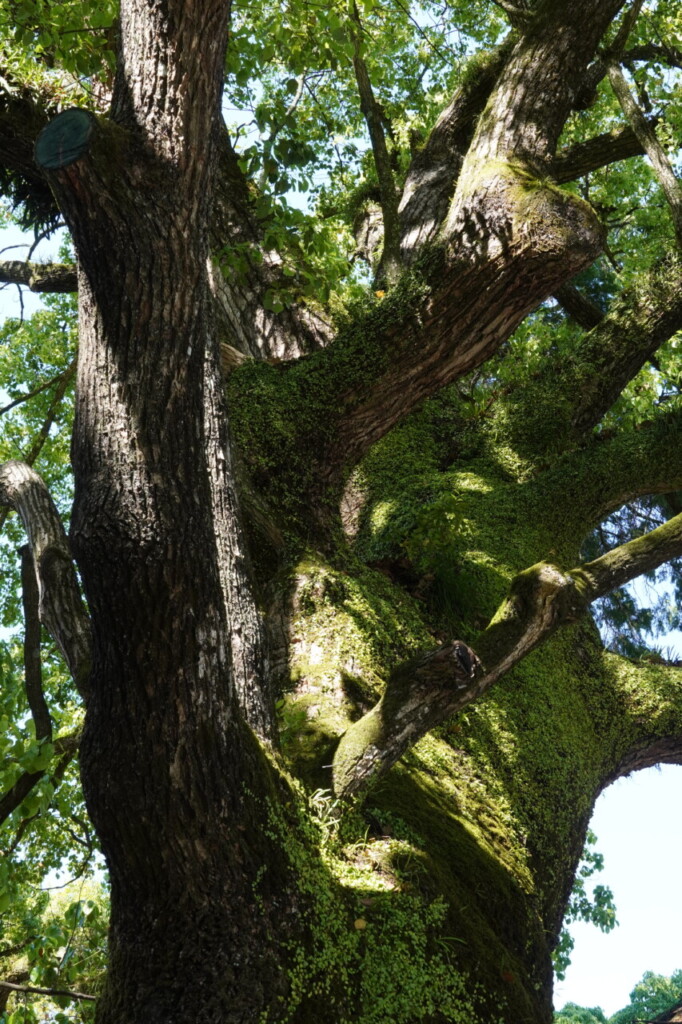
We then drive to Kotohira and visit the Kompirasan Shrine. It’s the main shrine among the many Kompira shrines across Japan, dedicated to sailors and navigation. From the town’s shopping streets, the approach is a long staircase of about 800 steps. Gradually, restaurants and shops give way to trees and pavilions. One of them, Asahi Shrine, stands out for its size. The main hall sits on a large terrace with a great view over the plain. Its setting and style naturally bring to mind Kumano Nachi Taisha (see Kumano Sanzan). We head back down the steps and settle into an udon restaurant for a well-earned meal.
We return to Marugame, drop off the car, and catch the train back.