+1250m / -1250m / 17km
It’s mid-June and it’s hot. I’ve prepared a few things for a Mount Fuji climb at the end of August. Stories about watching the sunrise from the summit gave me an idea: to climb Mount Bunagatake at night (after discovering it this winter), in the cool, catch the sunrise, and head back down before the heat sets in.
By taking a Friday off, I can leave on a Thursday evening, finish the climb the next day, and rest for the following two days. The perfect plan.
That Thursday evening is today. After work, I stop by a Montbell shop to pick up a bell. There aren’t any bears in the area, but if it helps keep other nocturnal animals away, all the better. I pack my bag and catch one of the last trains to Hira Station.
I start the hike around 12:30am. I recognize the area around the station and the plain despite the darkness. After passing the last houses, I leave the streetlights behind. Soon, I’m relying only on my headlamp, which I’ve set to low to conserve battery. It’s very quiet. Once I enter the forest, even the starlight disappears. I catch a glimpse of a pair of glowing eyes between the trees, but I can’t tell what it is. My eyes slowly adjust to the darkness, but every time I check the route on my phone, the screen blinds me for a few seconds.
I stop for a few minutes after passing a parking lot, at the foot of the first real climb, to have a drink. I fumble through my bag and check the battery life on my headlamp, switching it to medium power. I look around, but there’s nothing visible beyond the beam of light—just tree trunks and the closest branches. Everything beyond 10-15 meters is a shapeless dark mass. I haven’t encountered anyone since leaving the station an hour ago. I’m completely alone. My bell has fallen silent, and I hear unidentifiable noises around me. The thought of my headlamp dying up here creeps into my mind: I’d have to wait hours for daylight. Fatigue from the day starts to catch up with me, and the darkness feels oppressive. I’m a bit scared. I consider turning back. What a great idea to have come here!
But the “city” lights are already far behind, and I’d be in the dark for a while even if I walked back. Plus, I haven’t run into any issues so far, so I decide to keep going, just to give it a try.
The path goes deeper into the forest, following a stream. The deafening sound of invisible waterfalls makes me dizzy. They sound massive. But as the trail becomes steeper and more technical, I focus on my footing, gradually tuning out my surroundings. During my next break in a clearing, I feel calm and comfortable in this environment. I take a moment to eat a banana and gaze at the starry sky before moving on.

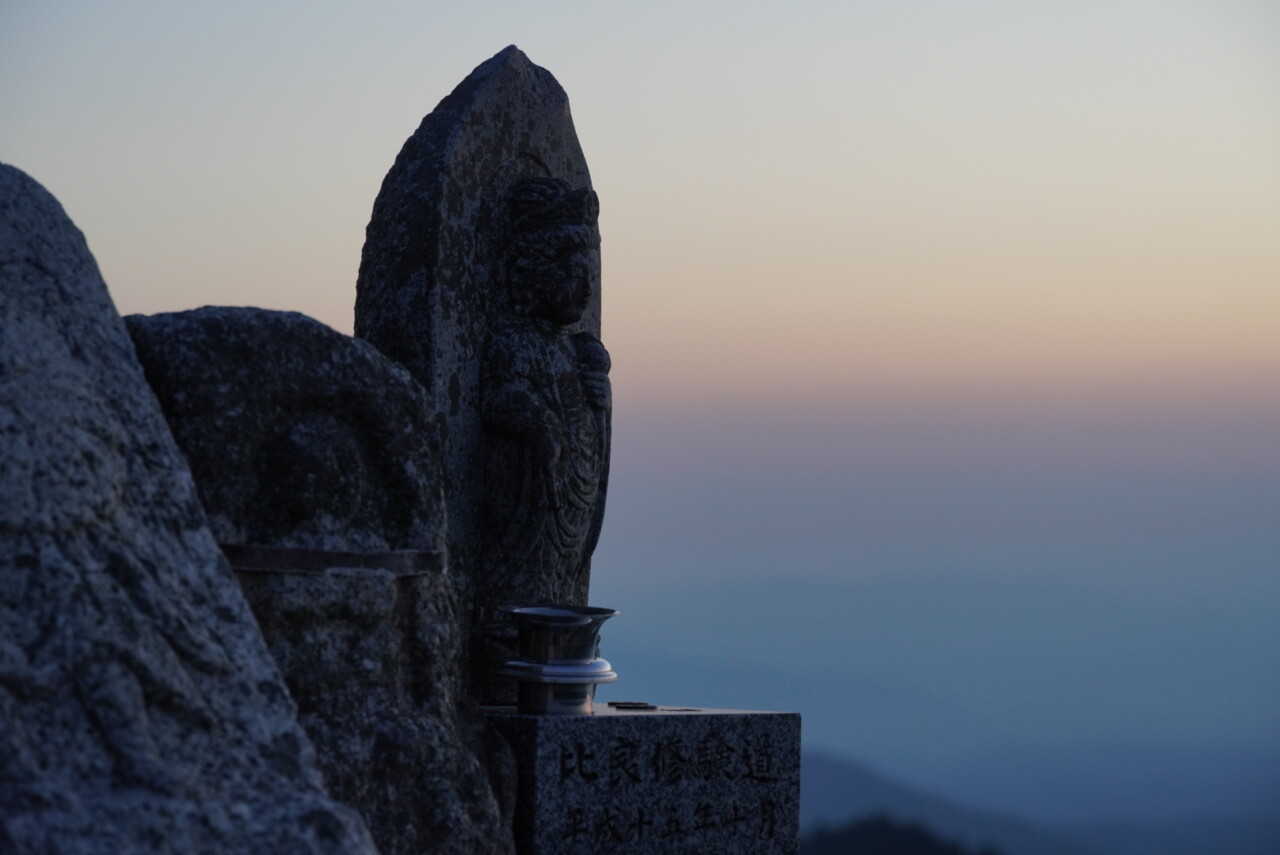
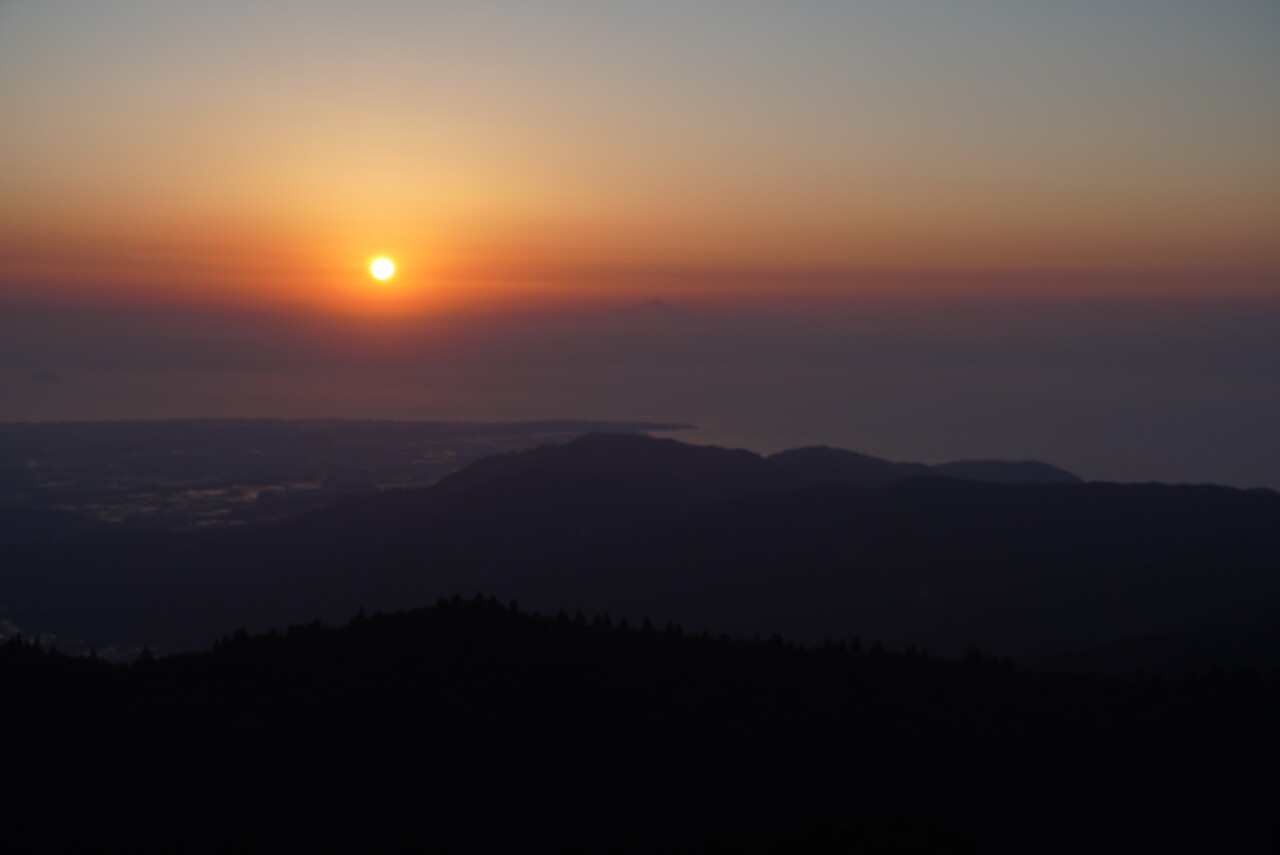
I miss a turn at one point, but the rest of the climb goes smoothly. The first signs of daylight finally appear around 3:30am as I emerge from the forest. Although I’d grown accustomed to the night, I felt like I was trapped in a bubble, unable to see more than a few meters ahead. Being able to see into the distance is incredibly refreshing.
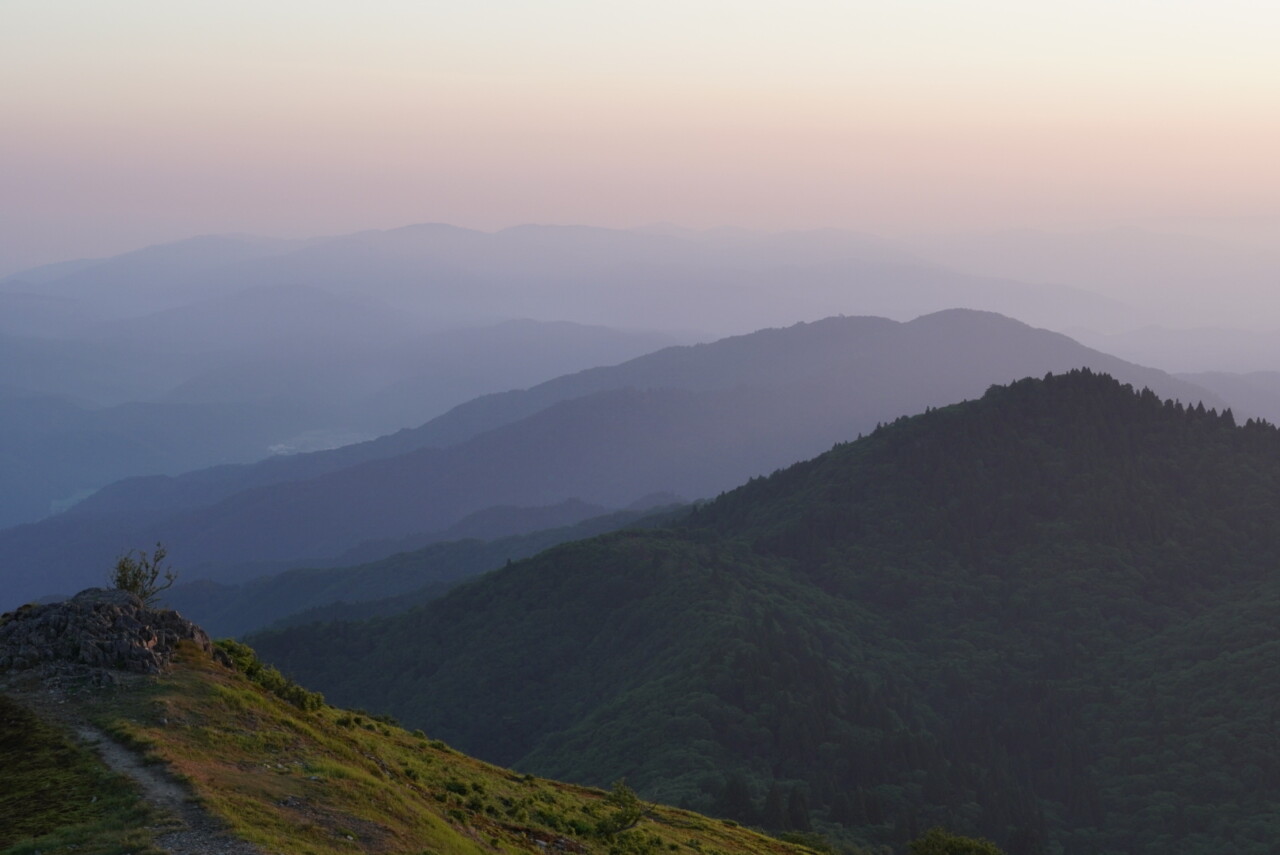
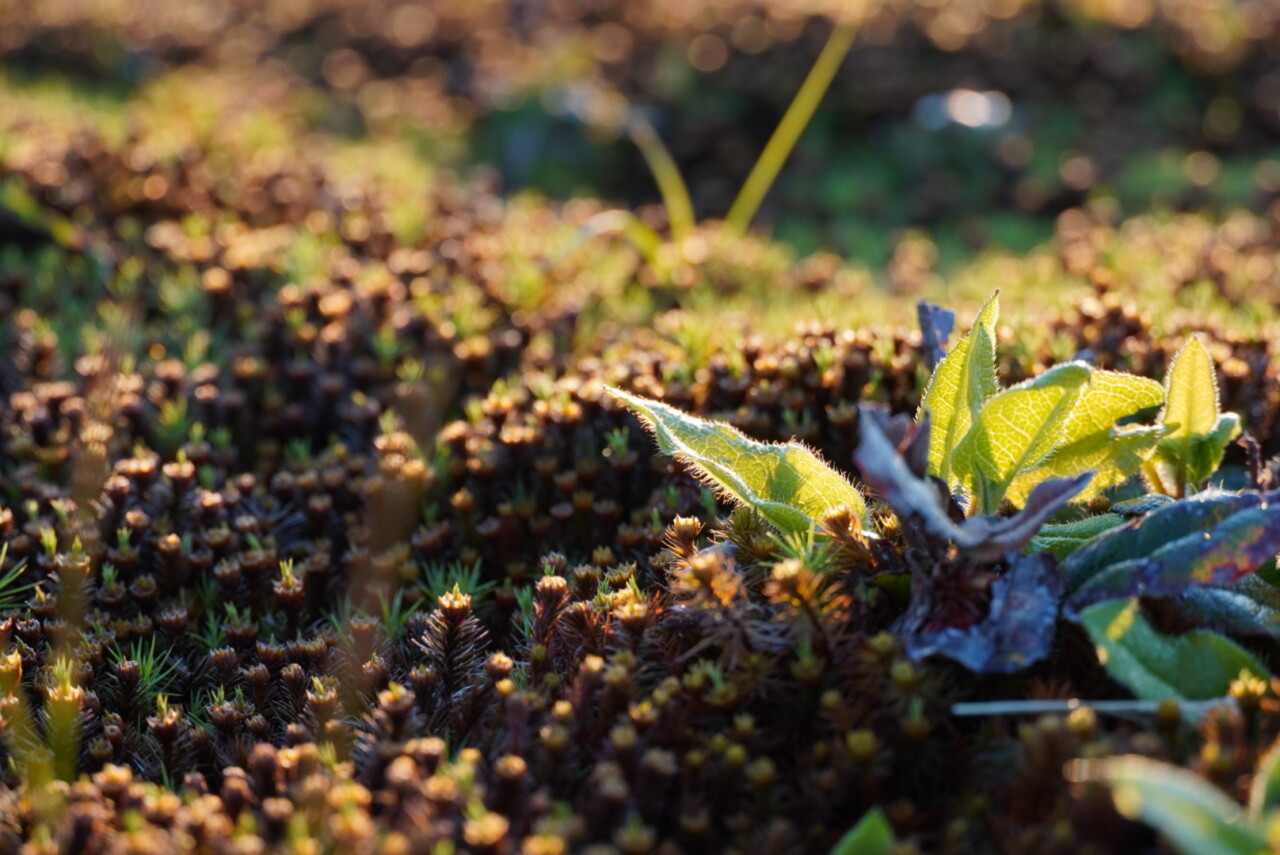
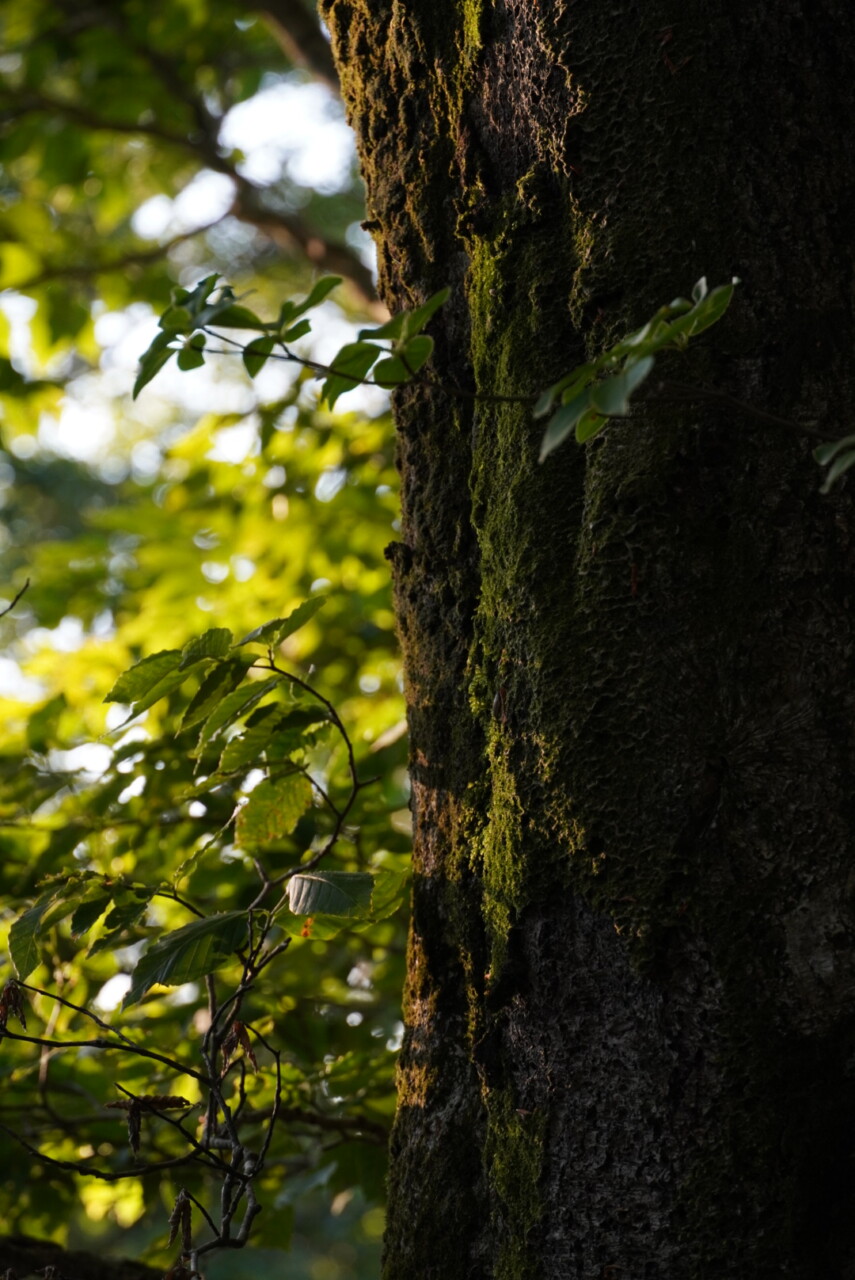
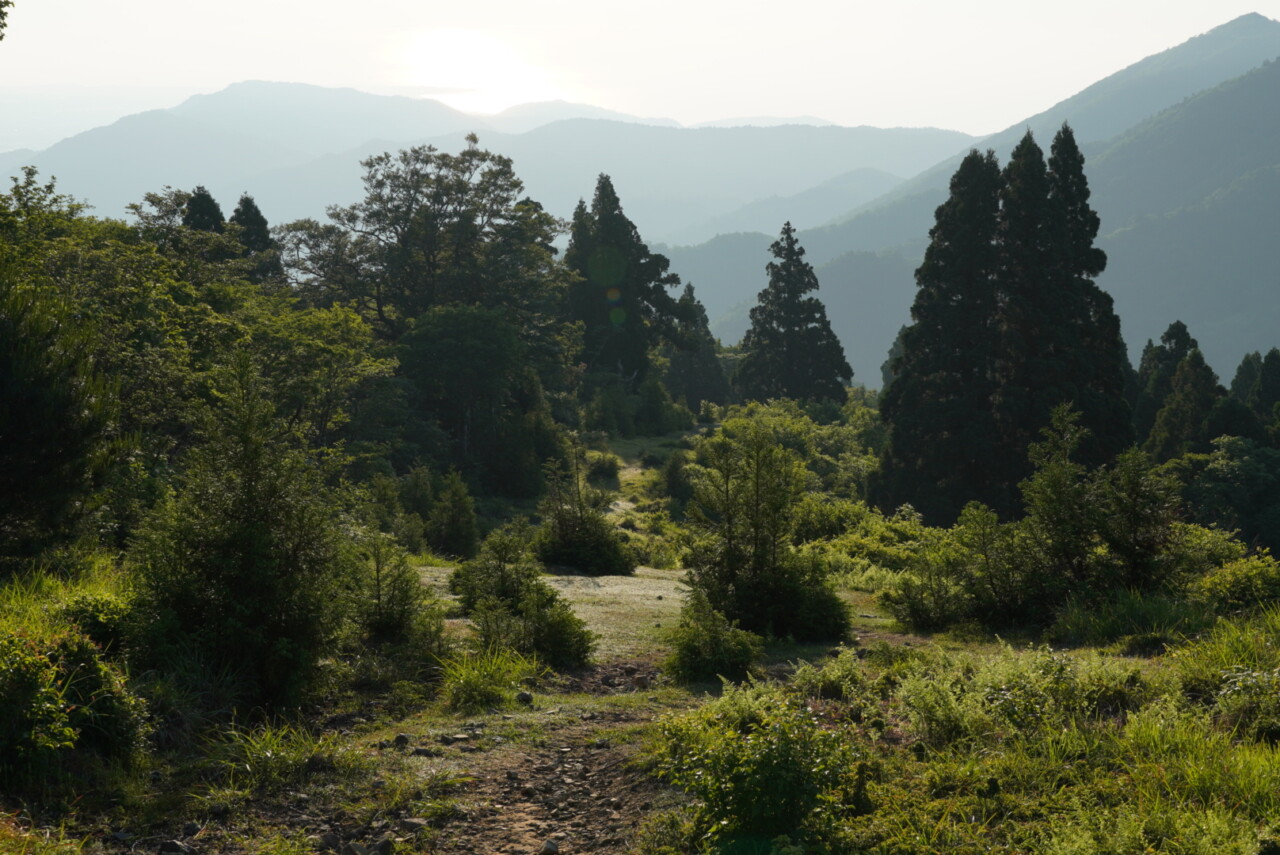
I reach the summit around 4:10am. Once again, there’s no one else here. The sun rises 20 minutes later. I take a few photos, have a snack, and head back down.
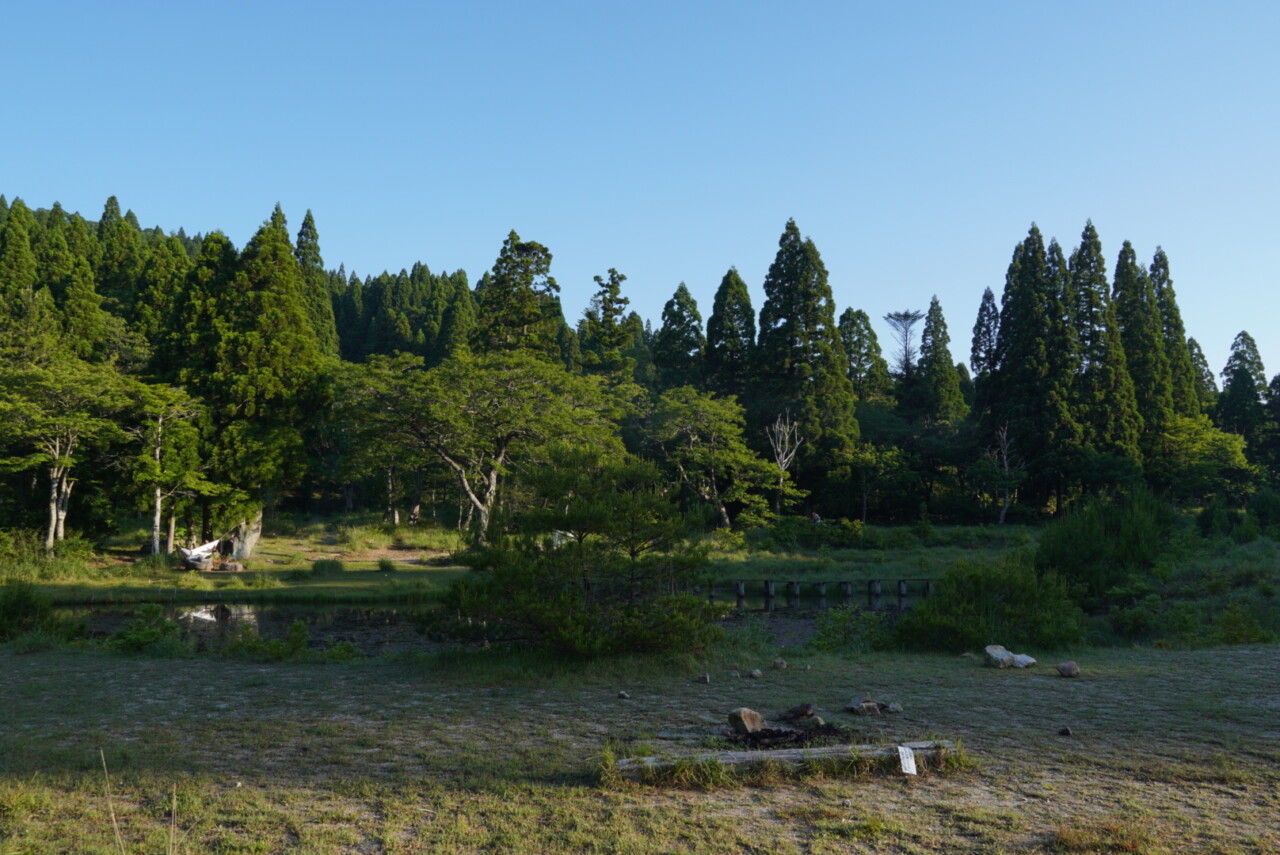
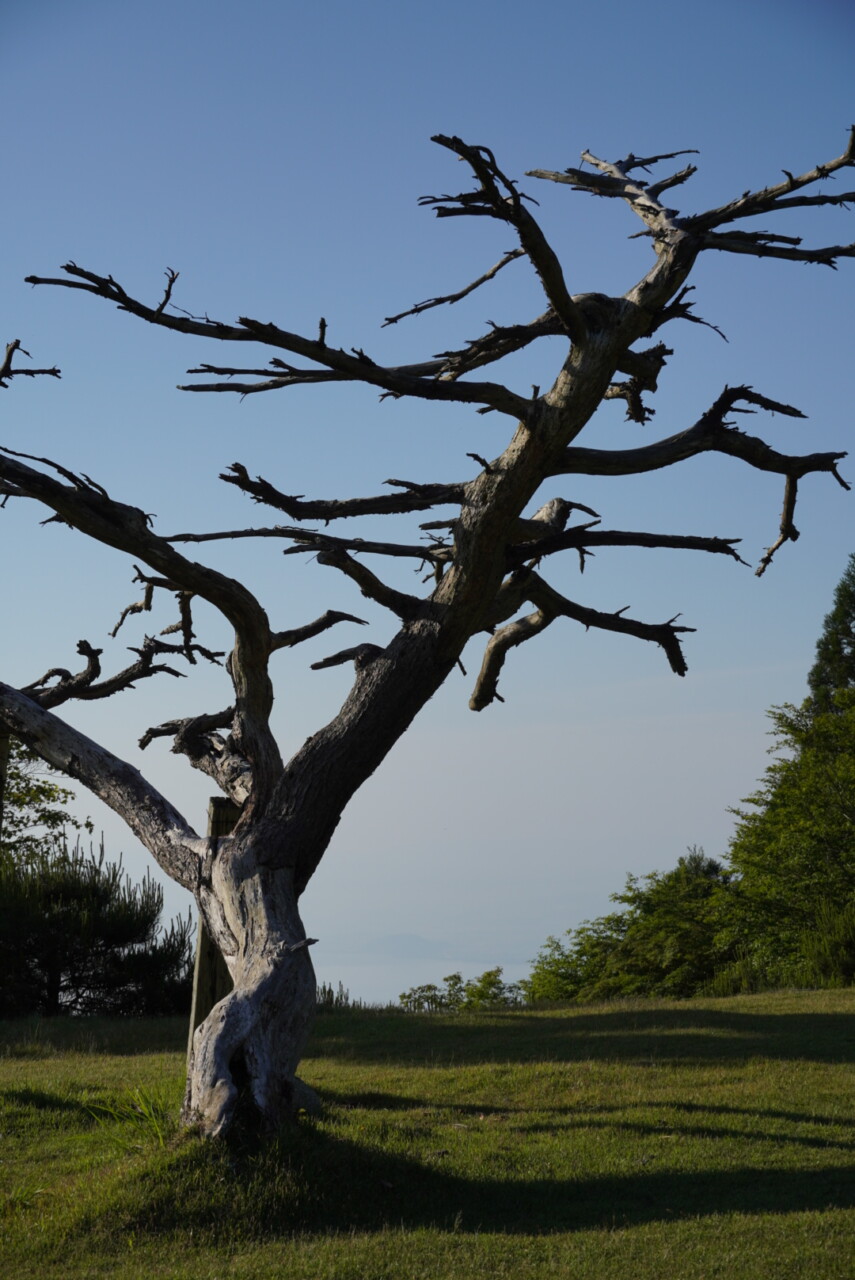
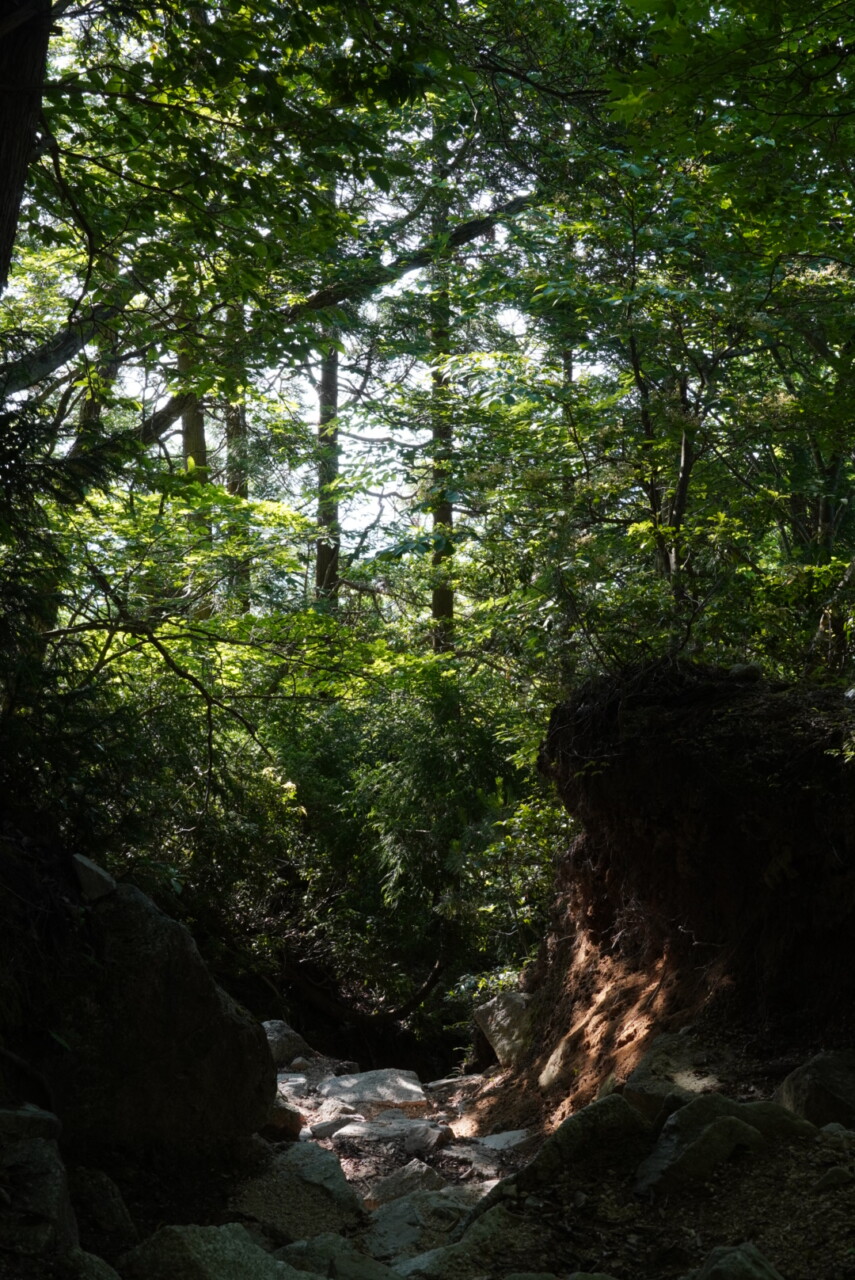
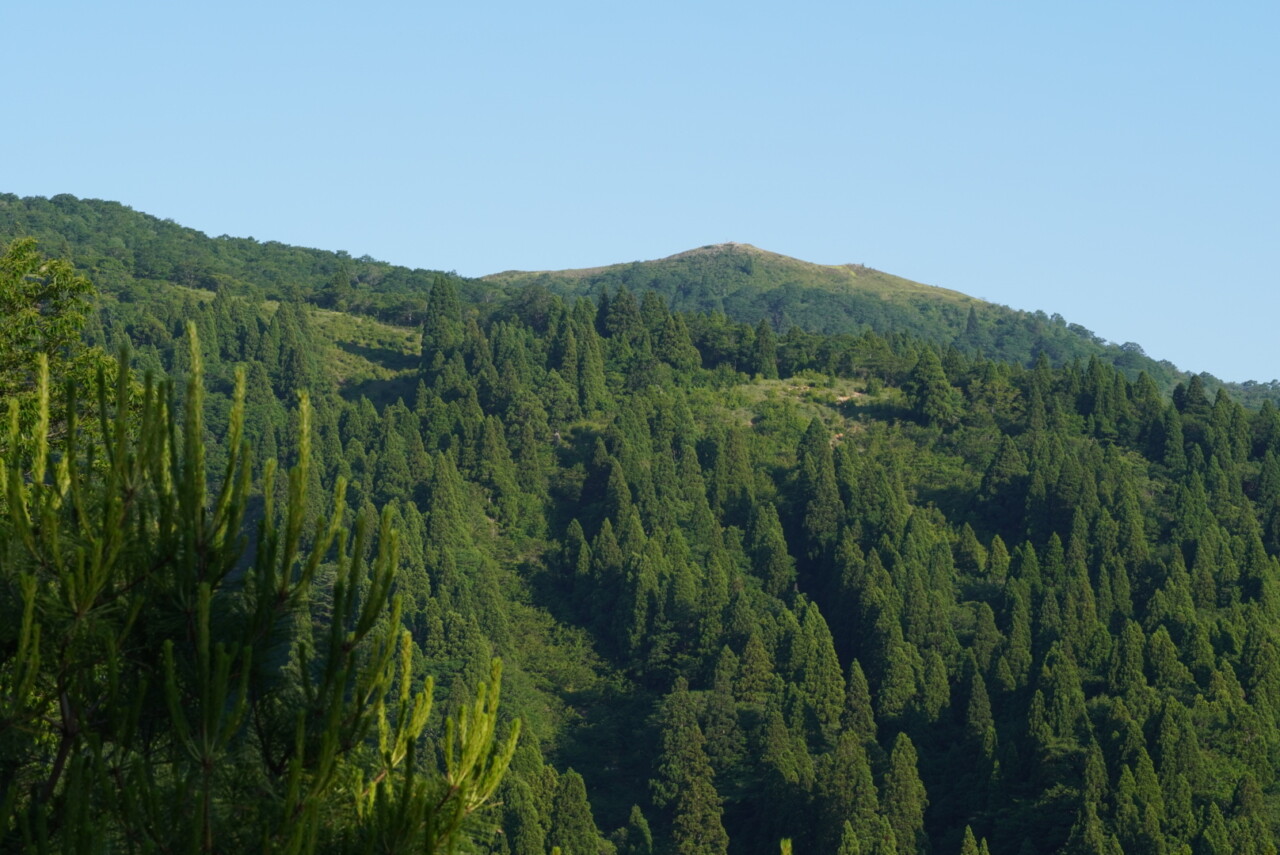
The descent is pleasant and uneventful. I pass by a few tents pitched near a pond—so I wasn’t entirely alone on the mountain. The final stretch seems to drag on, and I encounter a few hikers on their way up. I take another break at the spot where I had hesitated earlier. There are now a few cars parked and other hikers getting ready for their ascent.
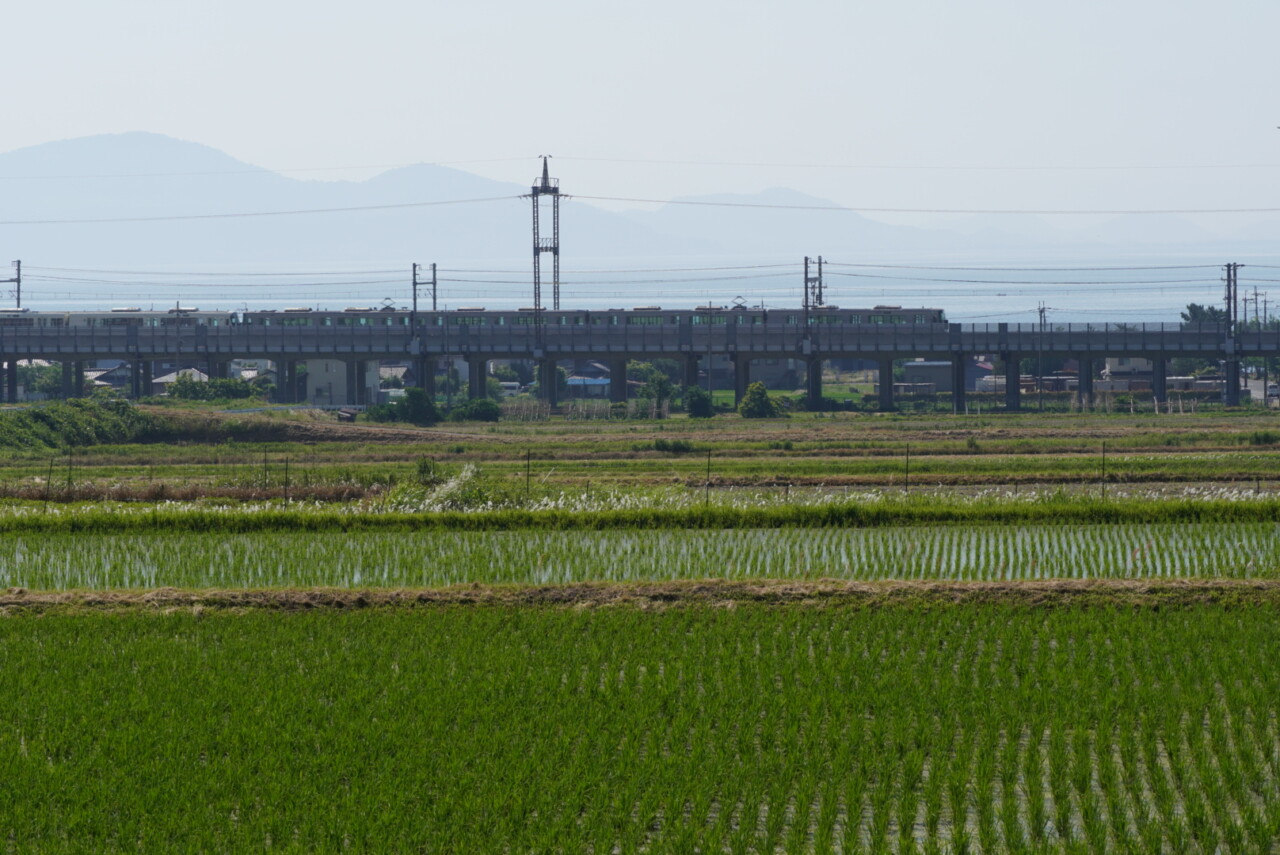

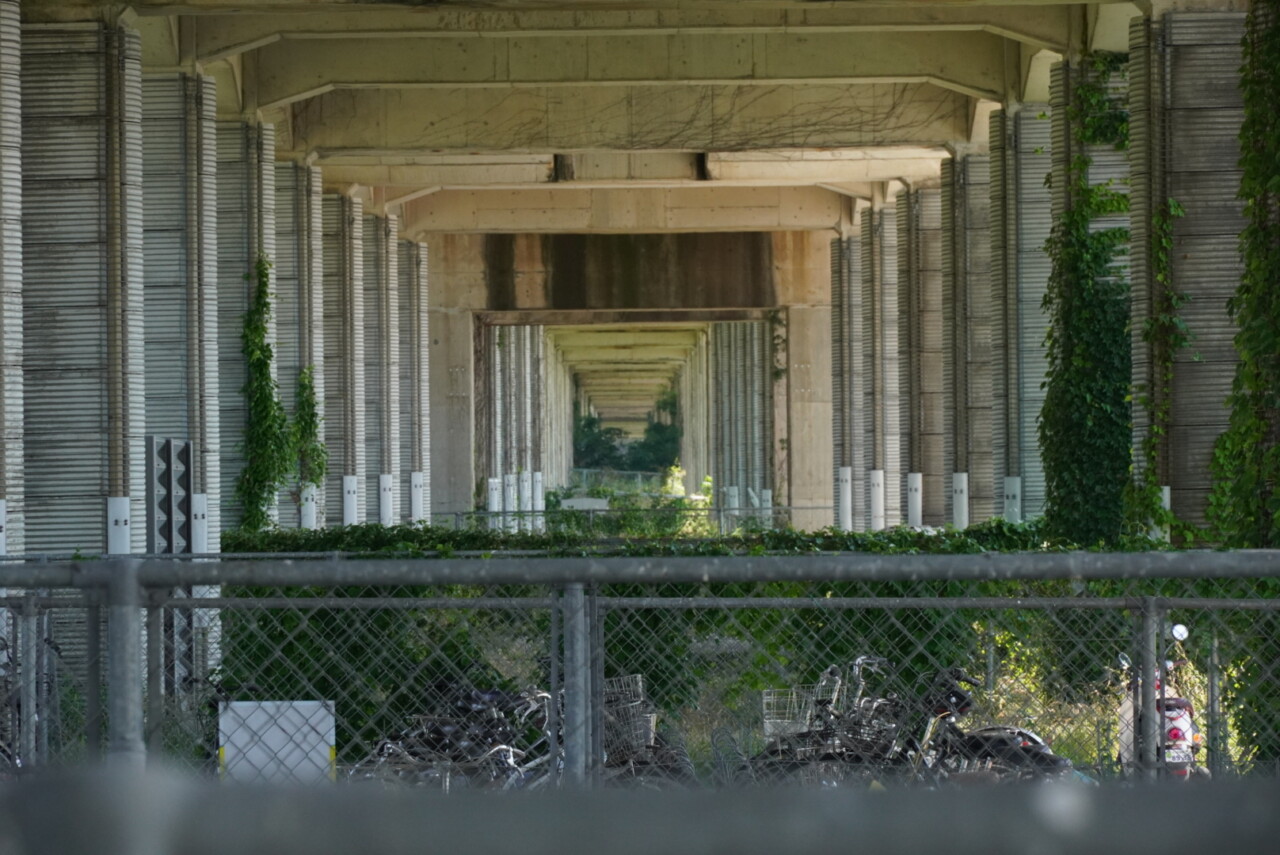
Finally, I return to Hira Station. I walk an extra 200 meters to see the shores of Lake Biwa before catching the train a little after 9am.
One response
The environmental and psychological descriptions of the hike up the mountain in the dark are very vivid, interesting and realistic. The sunrise photos are peaceful and beautiful. You are very lucky not to encounter any wild animals(⁎⁍̴̛ᴗ⁍̴̛⁎)